
Digitaria ternata
Digitaria ternata
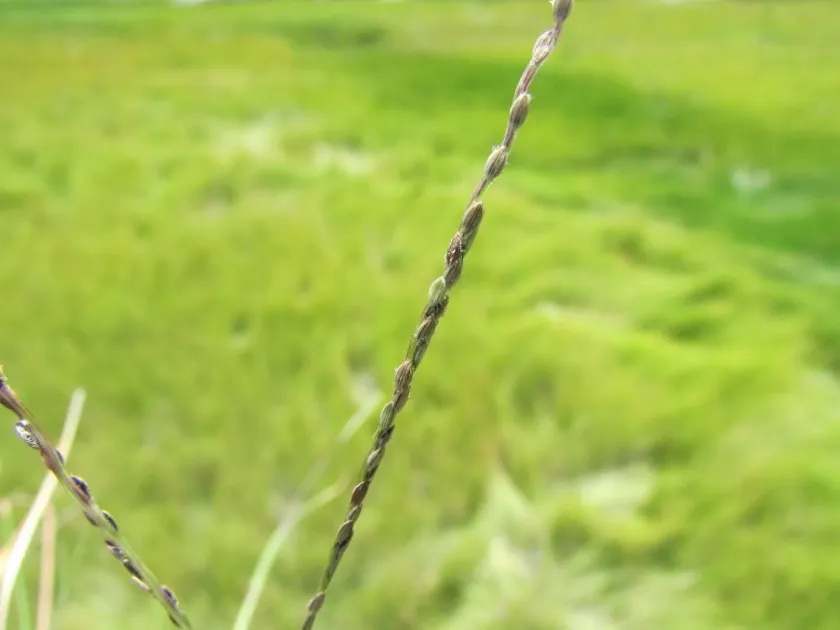
Description
Sowing dates
Digitaria ternata is an annual grass species widely recognized in tropical and subtropical agriculture. Planting typically occurs at the onset of the growing season when temperatures are consistently warm and soil moisture is adequate.
Seeds are sown shallowly in well-prepared, fine-textured seedbeds. Given the small size of the seeds, proper soil compaction after sowing is essential to ensure excellent contact between the seed and the soil surface.
The sowing rate is adjusted according to the desired stand density, which is critical for maximizing biomass production. Farmers often choose to sow in lines to facilitate easier weed management during the early stages of development.
Optimal germination is achieved in well-drained soils where the seed is protected from being washed away by heavy rains. Early planting provides the crop with a head start, allowing it to establish a strong root system before the peak heat of the summer.
Consistent moisture following the sowing period is vital for uniform emergence. Once established, the plant shows rapid growth, which is a major advantage for forage production systems requiring frequent cutting.
Growing requirements
This crop thrives in full sunlight and performs poorly under shaded conditions. High light intensity is necessary to fuel the rapid photosynthesis that makes this grass an efficient producer of green biomass.
Digitaria ternata prefers well-drained, fertile soils ranging from sandy loams to clay loams. It does not tolerate prolonged waterlogging, which can lead to root diseases and reduced vigor in the crop stands.
The plant is highly adaptable to warm climates and maintains robust metabolic activity under high temperatures. It requires a balanced nutrient supply, particularly nitrogen, to support its significant leaf production.
Soil pH levels between 5.5 and 7.0 are considered ideal for the nutrient uptake of this grass. In more acidic soils, liming is recommended to optimize the availability of essential macro and micronutrients.
Efficient management involves monitoring soil nutrient levels periodically. Adequate phosphorous and potassium are crucial for root development and overall plant resilience during the drier spells of the season.
Yield
Yield performance of Digitaria ternata is closely linked to the frequency of harvest and the availability of nitrogen-rich fertilizers. Under intensive management, multiple cuts per season can be achieved.
The species is known for its high regrowth potential, which makes it an excellent candidate for managed pasture systems. Proper grazing or cutting intervals are essential to prevent the grass from reaching a stage of excessive lignification.
Productivity metrics are highly dependent on the timely application of water and nutrients. In high-yielding environments, this grass can contribute significantly to the total feed budget of a livestock farm.
The nutritional quality is best when harvested at the vegetative stage before flowering. Farmers often balance biomass quantity with quality by timing their harvesting operations precisely.
Sustainable production levels can be maintained through a cycle of resting and harvesting. This approach ensures that the root reserves remain sufficient for continuous regeneration throughout the vegetative period.
Main diseases and pests
Fungal leaf spots and rusts represent the most common pathological threats to Digitaria ternata, especially during periods of high humidity. Proactive disease management includes maintaining spacing and good air circulation.
Insect pests, such as aphids and certain leaf-eating caterpillars, may cause localized damage to the foliage. Integrated pest management strategies are advised to keep populations below economic injury levels.
Weeds are particularly problematic during the crop establishment phase. Early intervention through mechanical cultivation or selective weeding is necessary to prevent yield loss from resource competition.
Root-knot nematodes can potentially affect root health in sandy soil conditions, leading to stunted growth. Crop rotation with non-host species is a standard preventive practice to mitigate this risk.
Over-irrigation can lead to the development of root rots, particularly in heavier soil types. Proper irrigation scheduling based on soil moisture monitoring is key to preventing these types of losses.
Harvesting
Harvesting is primarily conducted when the plant is in the vegetative growth phase. This ensures that the harvested material contains the highest levels of protein and digestible energy for livestock consumption.
Mechanical harvesting involves cutting the grass at a height that allows for quick recovery of the plant. Precision in the cutting height prevents damage to the basal nodes and promotes faster regeneration.
For hay production, the material is tedded and windrowed to lower its moisture content to levels suitable for storage. Proper drying is critical to prevent spoilage and the development of molds in storage.
Silage production provides an alternative for preserving the grass during peak growth periods. The chopped grass is compacted and fermented to stabilize the nutritional content for winter use.
Post-harvest management is equally important, involving minimal soil compaction and possibly supplemental fertilization. These steps ensure that the field remains productive for the subsequent regrowth cycles.