
Digitaria stricta
Digitaria stricta
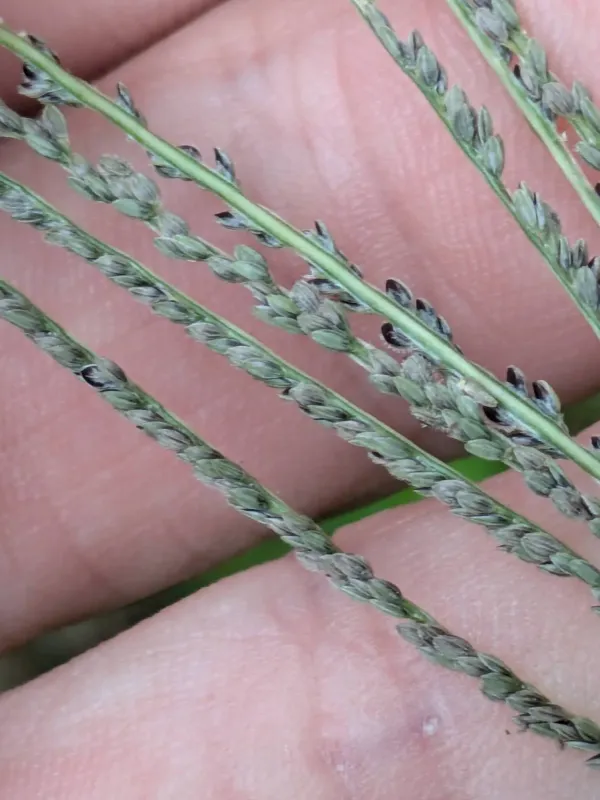
Description
Sowing dates
Digitaria stricta is a thermophilic cereal crop that requires stable soil temperatures of 12–15 degrees Celsius for successful germination. Sowing typically begins in late spring once the threat of late frosts has completely passed.
Seeds should be sown at a shallow depth of 1–2 centimeters, ensuring optimal contact with moist soil layers. Due to the small size of the seeds, precise depth control is essential for achieving uniform and rapid emergence.
Row or cross-seeding methods are recommended to establish a dense stand. The sowing rate should be adjusted based on the soil moisture levels and local climatic conditions to ensure that the stand density is appropriate for the site.
In regions with cooler spring conditions, waiting for adequate warmth is critical, as cold soil significantly inhibits the early growth stages. Post-sowing irrigation may be utilized to accelerate germination, particularly in sandy soil environments.
Proper light exposure is vital for the development of Digitaria stricta. The crop should be planted in open areas without shading from trees or taller vegetation to ensure maximum vegetative production throughout the growing season.
Growing requirements
Digitaria stricta belongs to the Poaceae family and thrives in well-drained, light-textured soils. It is particularly well-suited for sandy and loamy-sand substrates where many other conventional cereal crops struggle to grow.
The crop is highly drought-tolerant, making it an excellent choice for regions with erratic rainfall patterns. It demonstrates strong resilience during extended dry periods, quickly recovering once moisture levels stabilize.
The ideal soil pH for this species is slightly acidic to neutral. While it is adaptable to low-fertility soils, the application of nitrogen fertilizers significantly boosts its vegetative biomass production and overall stand quality.
Climatic requirements are defined by the plant's need for high temperatures and intense sunlight. Digitaria stricta is particularly suitable for warmer regions where solar radiation levels are sufficient to drive vigorous growth.
Early-stage weed management is a crucial part of the agronomic protocol for this crop. Since the plant develops relatively slowly in its initial phase, maintaining a weed-free environment is essential for preventing competition for resources.
Yield
The yield of Digitaria stricta is largely determined by nitrogen availability and moisture levels during the peak growing season. Under optimized conditions, the crop produces a dense sod that can support multiple cuts in a single season.
This species is primarily utilized for forage production, including high-quality hay or as a pasture component for livestock. Harvesting before the stems become overly lignified ensures maximum nutrient content and digestibility.
The crop shows an impressive regrowth capacity after cutting, which enhances its overall economic value in forage production systems. Managed grazing regimes are important to prevent overgrazing and maintain long-term stand productivity.
Biological features of the species allow for efficient energy conversion, making it a valuable component in forage mixtures for arid zones. It provides consistent biomass even in environments where high-intensity agriculture might be difficult.
Achieving high yields is possible through targeted fertilizer applications and systematic management. Balanced nutrition stimulates tillering and leaf production, which directly improves the nutritional profile of the harvested fodder.
Main diseases and pests
Digitaria stricta is naturally robust against many common cereal diseases, owing to its biological structure and hardiness. However, high-humidity environments or improper rotation practices can occasionally lead to root rot issues.
Potential pests, such as cereal flies and aphids, can cause localized damage to young seedlings. Regular monitoring of the field is necessary to identify early signs of infestation and prevent widespread damage to the crop stand.
Preventative health management includes avoiding over-dense planting, which improves air circulation and prevents fungal pathogen buildup. Proper airflow is an essential component of field sanitation for this grass species.
Weeds are the most significant threat during the first month of the crop's development. Effective pre-emergence or early post-emergence weed control is vital to ensure the crop establishes a dominant position in the field.
Systematic phytosanitary monitoring enables early detection of problems. Addressing issues at the onset allows for localized interventions, reducing the need for extensive chemical usage and preserving the ecological integrity of the farm.
Harvesting
The optimal harvest window for hay production occurs during the booting to early heading stage. During this period, the plant offers the highest concentration of crude protein and essential nutrients for livestock feed.
When used as a pasture, rotational grazing is encouraged to balance livestock intake with the plant's recovery time. Maintaining sufficient residual stubble is essential for quick regrowth and sustained field health.
Seed harvesting requires strict timing, as Digitaria stricta is prone to seed shattering upon reaching full maturity. Mechanical harvesting should be performed as soon as the panicles show clear signs of maturation.
Drying techniques should prioritize rapid moisture removal to maintain hay quality. The use of modern mower-conditioners is highly recommended to speed up the drying process and minimize the loss of nutritional value.
Proper storage is required for harvested hay to prevent mold and spoilage. Storing the material in dry, well-ventilated areas ensures that the forage remains safe and nutritious for winter consumption.