
Digitaria setigera
Digitaria setigera
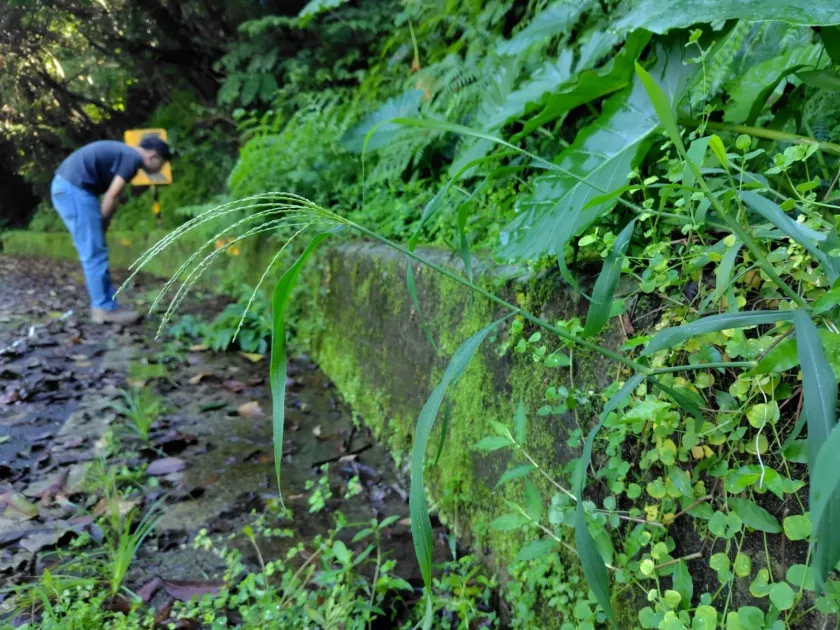
Description
Growing requirements
Digitaria setigera is a grass species belonging to the Poaceae family, known for its adaptability in tropical and subtropical environments. While often classified as a wild grass, it holds significant potential as a forage resource due to its aggressive growth habit and resilience.
The plant is native to a broad geographical range, including Southeast Asia, parts of Australia, and various Pacific islands. It typically thrives in open, sunny locations and is frequently found along roadsides, in degraded lands, and within moist forest margins where conditions are favorable for growth.
Botanically, Digitaria setigera is characterized by its slender, often creeping stems that can root at the nodes, forming dense mats of foliage. The inflorescence consists of several racemes, which are typical of the Digitaria genus, often referred to as crabgrasses.
Regarding cultivation requirements, this grass favors well-drained, fertile soils with a moderate pH level. It displays a high degree of moisture demand during the peak growing season but can withstand short periods of dry conditions once the root system is well-established in the soil.
In terms of agricultural use, this species is primarily utilized for livestock grazing. It is appreciated for its ability to withstand frequent grazing pressure and its capacity to rapidly regenerate, ensuring a continuous supply of green biomass in tropical pasture management systems.
Main diseases and pests
Digitaria setigera is susceptible to various fungal pathogens, with rust diseases being the most prevalent. Rust infections manifest as reddish-brown spores on leaf surfaces, which can significantly reduce the biomass yield and nutritional content of the forage if left untreated.
Leaf blight, caused by Helminthosporium species, is another concern, particularly in high-humidity climates where moisture remains on the foliage for extended periods. Proper management of canopy density is crucial to ensure adequate airflow and reduce the incidence of such diseases.
Insect pests include a variety of lepidopteran larvae that can feed on both foliage and stems, causing localized damage. Monitoring for caterpillar outbreaks is essential during the early stages of vegetation to prevent severe defoliation of the pasture.
Weed management is vital, as Digitaria setigera can be outcompeted by more aggressive woody plants or invasive grasses in poorly managed pastures. Regular mowing or controlled grazing helps maintain the vigor of the grass stand and keeps unwanted species at bay.
To ensure long-term productivity, integrated pest management (IPM) practices should be employed. This includes soil nutrient management to maintain plant vigor, as strong, well-nourished plants are generally more resistant to pest attacks and secondary infections.