
Silky crabgrass
Digitaria sericea
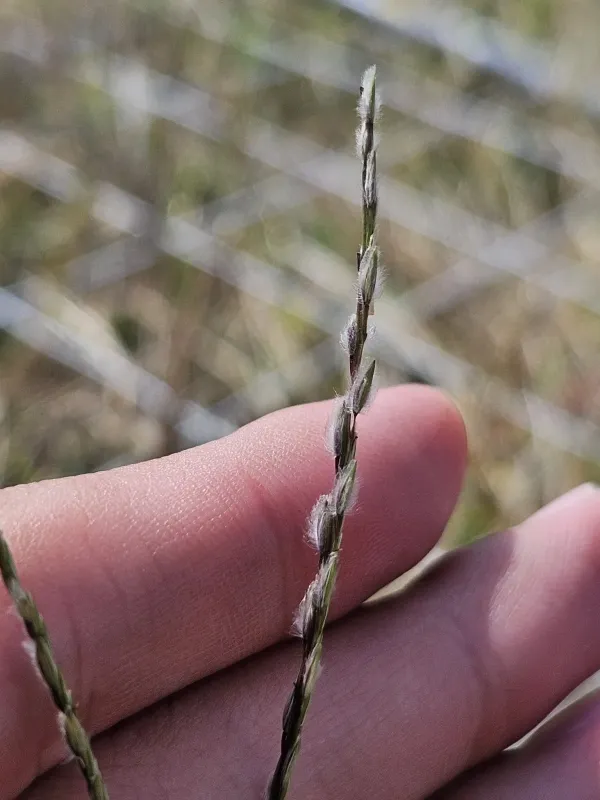
Description
Sowing dates
Silky crabgrass (Digitaria sericea), a member of the Poaceae family, requires specific thermal conditions for germination. Sowing is typically performed in late spring when soil temperatures stabilize above 15 degrees Celsius.
The seeds are small and should be sown at a shallow depth of approximately 1 cm. Proper seedbed preparation is essential to ensure adequate soil-to-seed contact and optimal moisture retention during the germination phase.
Row seeding is the preferred method to facilitate future weed control and management. Maintaining row spacing of 20 cm provides sufficient room for plant tillering and individual growth.
Moisture management immediately after sowing is critical for high establishment rates. If rainfall is insufficient, light irrigation may be necessary to support the young seedlings in the first weeks.
As the seedlings establish, the root system begins to penetrate deeper into the soil, allowing the plant to gain resilience against temporary environmental stressors.
Growing requirements
This grass species thrives in well-drained, sandy, or light-textured soils. It is particularly well-adapted to environments where light intensity is high, as it prefers full sun exposure for photosynthesis.
The plant demonstrates notable drought tolerance, making it a reliable choice for semi-arid regions. It performs best in neutral to slightly acidic soil conditions.
Nutrient requirements are moderate, with a preference for balanced fertilization programs. Nitrogen application in the early vegetative stage encourages rapid leaf development and biomass accumulation.
Temperature fluctuations within the range of 20 to 30 degrees Celsius are ideal for active metabolic processes. Growth slows significantly if temperatures drop below 15 degrees or exceed 35 degrees Celsius.
Effective management requires keeping the area clear of competing weeds, as the plant does not tolerate shading during the initial establishment period of its life cycle.
Yield
The primary economic use of Digitaria sericea is as a high-quality forage source for livestock. It is prized for its ability to produce substantial green matter under managed grazing conditions.
Yields are optimized through rotational grazing systems, which allow the grass time to recover and regrow. This method maintains the vigor of the pasture throughout the entire season.
When harvested for hay, the yield is consistent, provided the plants are cut before reaching the seed-head stage, which ensures maximum nutritional value for the stored forage.
The grass maintains high nutrient density, particularly in terms of protein content, during the active growing phase. This makes it an essential resource for cattle and sheep producers.
Productivity remains stable over several years if proper maintenance and fertilization schedules are followed, preventing the decline of the plant population in the field.
Main diseases and pests
Fungal pathogens such as rusts and mildews represent the most common biological threats to the health of this crop. These diseases are often exacerbated by poor air circulation and high humidity.
Insect pests can damage foliage and roots, potentially reducing the overall vigour of the stand. Early detection through field scouting is vital for effective integrated pest management.
Managing the plant density and ensuring proper drainage can significantly reduce the risk of disease outbreaks. Preventive measures are more effective than curative treatments in this grass species.
- Cereal rusts (Puccinia spp.)
- Powdery mildew
- Aphids
- Root-feeding larvae
Maintaining biological diversity around the field can help in managing pest populations naturally. Proper management practices keep the stand healthy and resistant to common local threats.