
Digitaria radicosa
Digitaria radicosa
Description
Growing requirements
Digitaria radicosa is a significant plant species within the Poaceae family, known for its creeping habit and adaptability to various tropical and subtropical environments. It is often identified as a robust annual grass species.
The plant thrives in well-drained, sunny locations. It has a high ecological plasticity, allowing it to colonize diverse landscapes ranging from disturbed roadsides to intensively cultivated agricultural fields.
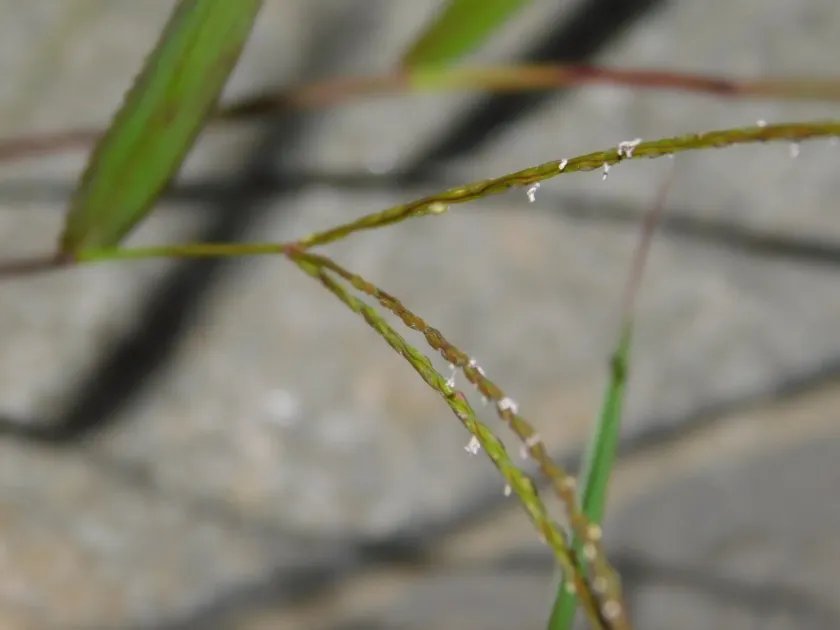
Botanically, it is defined by its ability to root at the nodes, which facilitates rapid vegetative spread. The inflorescence consists of several digitate racemes, a characteristic feature that distinguishes it from other related grasses.
Regarding climate, Digitaria radicosa prefers warm, moist conditions. It is particularly active during the peak summer months when temperatures promote rapid biomass accumulation and the development of reproductive organs.
From an agronomical perspective, soil preparation and nutrient management are critical. While it is often managed as a weed, its resilience provides lessons in plant physiology and adaptation strategies for sustainable agriculture.
Main diseases and pests
The species is susceptible to various fungal pathogens, such as rusts and smuts, which can affect its overall vigor. However, these pathogens rarely provide sufficient control in natural or agricultural settings.
Common pests associated with this grass include aphids, leafhoppers, and various stem-boring insects. These pests can cause significant damage to the tissue, making the plant less competitive against adjacent crops.
Integrated weed management is the primary strategy for control. This involves the strategic use of pre-emergent and post-emergent herbicides to target the species during its most vulnerable developmental stages.
Mechanical cultivation remains a cornerstone of its management. Tilling the soil at regular intervals prevents the root nodes from establishing, thereby significantly reducing the potential for further spread.
Crop rotation practices, specifically alternating broadleaf and grass crops, help to break the life cycle of the species and prevent it from becoming a dominant factor in the field's ecosystem.