
Digitaria perrottetii
Digitaria perrottetii
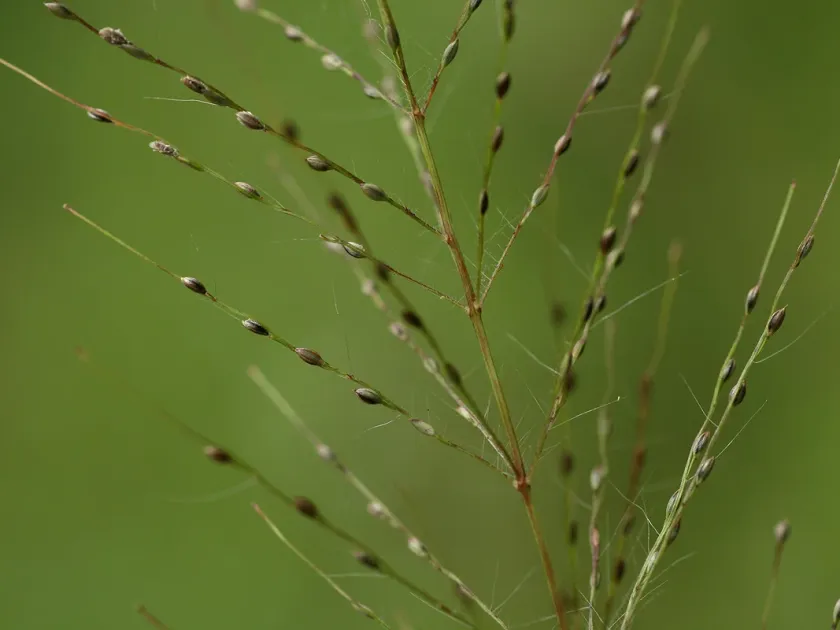
Description
Growing requirements
Digitaria perrottetii is a perennial grass species belonging to the Poaceae family. Native to tropical Africa, this plant is well-adapted to savanna environments, where it serves as a critical component of the natural pasture landscape, providing essential nutrition for grazing livestock.
The plant exhibits remarkable resilience to aridity, possessing a deep and robust root system that allows it to thrive in nutrient-poor, well-drained sandy or loamy soils. Its ability to extract moisture from the soil profile makes it an ideal candidate for cultivation in arid and semi-arid regions.
Climatically, this grass requires high temperatures and abundant sunlight to reach its maximum growth potential. It is highly efficient at photosynthesis, which allows for rapid biomass accumulation during the rainy season, ensuring a steady supply of fodder for extensive cattle farming systems.
Botanically, Digitaria perrottetii is characterized by its tufted growth habit and slender leaves that are highly palatable. The inflorescences are typical of the Digitaria genus, spreading through seed dissemination, which allows the grass to naturally reseed and populate open land effectively.
In terms of agricultural utility, this species is highly valued for its ability to recover quickly from grazing pressure. It is often maintained as a permanent cover on pastures to prevent soil erosion while providing a consistent high-quality food source for ruminants in tropical climates.
Main diseases and pests
Rust fungi are the primary pathogens affecting Digitaria perrottetii, especially in regions with fluctuating humidity levels. These infections target the foliage, significantly reducing the biomass quality and overall palatability of the grass for livestock consumption.
Pests such as grasshoppers and various species of caterpillars pose a constant threat to the leaf tissue. Excessive herbivory by these insects during peak growing seasons can lead to a noticeable decline in total yield and impact the photosynthetic efficiency of the stands.
Soil-borne nematodes can cause significant stress to the root system, particularly when the grass is grown in monocultures for extended periods. This can weaken the plant, making it less responsive to moisture and reducing its longevity in managed pastures.
Vector-borne viral diseases are a potential threat to the reproductive health of the grass. Sucking insects, such as leafhoppers, facilitate the spread of these pathogens, which may impair seed development and reduce the success rate of natural re-establishment.
Competition with more aggressive weed species during the seedling establishment phase can hamper the growth of new stands. Proper pasture management and controlled grazing are essential to ensure that Digitaria perrottetii remains the dominant species in the botanical composition.