
Digitaria pennata
Digitaria pennata
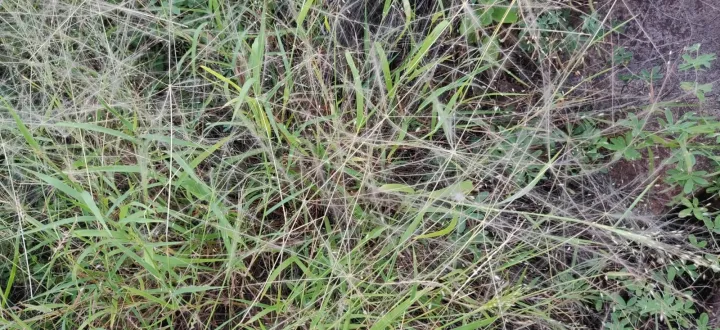
Description
Sowing dates
The sowing period for Digitaria pennata is strictly determined by soil temperature, as this warm-season grass requires adequate heat for germination and early growth.
Late spring, when the soil has thoroughly warmed up, is the most recommended time for planting to ensure vigorous seedling establishment and rapid growth.
Shallow sowing is essential, as the small seeds of this grass can easily be buried too deep, which would significantly reduce the rate of successful emergence.
Ensuring good soil-to-seed contact and maintaining surface moisture for the first few weeks are critical components of a successful sowing strategy.
Planting density should be calculated based on the intended use of the field, whether for intensive grazing, hay production, or soil conservation purposes.
Growing requirements
This species thrives in well-lit areas and is highly adaptable to a variety of light, well-drained soil types, including sandy and silty loams.
Digitaria pennata is recognized for its exceptional drought tolerance, allowing it to maintain productivity even in semi-arid environments where other grasses might fail.
While it is relatively undemanding, it responds well to moderate nutrient management, particularly nitrogen, to enhance biomass yield during the growing season.
Soil pH levels ranging from slightly acidic to neutral are generally preferred to facilitate optimal nutrient uptake and root development.
Proper field management includes ensuring adequate drainage to prevent waterlogging, as the root system of this plant is sensitive to anaerobic conditions.
Main diseases and pests
Common plant diseases affecting this species often involve fungal leaf spots and rusts that may emerge during prolonged periods of high humidity.
Insect pests, such as aphids and various grass-feeding larvae, can potentially reduce the nutritional quality and total yield of the forage stand.
Strategic management of field density helps maintain airflow, which is a primary cultural method for preventing the buildup of fungal pathogens.
When necessary, integrated pest management practices should be employed to control outbreaks without compromising the safety of the forage for livestock.
Early detection through regular field scouting is vital to implement control measures before significant damage occurs to the crop stand.