
Digitaria pectiniformis
Digitaria pectiniformis
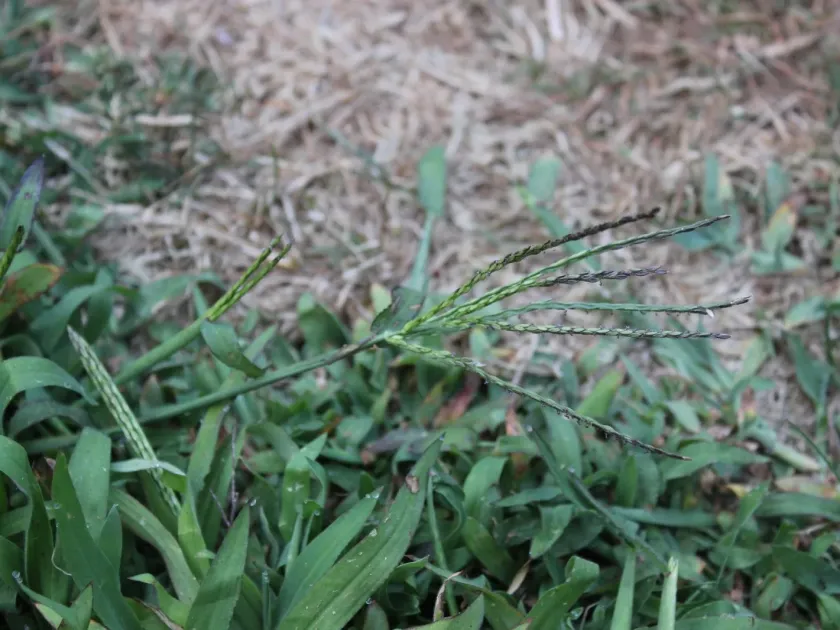
Description
Growing requirements
Digitaria pectiniformis is an annual grass species belonging to the Poaceae family. It is recognized for its significant role in warm-season forage production, adapting well to environments where moisture and heat fluctuate during the growing season.
Originating from regions with specific climatic patterns, this plant has evolved to prioritize rapid biomass accumulation during peak summer temperatures. Its botanical structure allows it to maintain physiological activity even when other competitive species undergo dormancy.
The crop thrives in well-drained, sandy or light-textured soils where high oxygen levels reach the root zone. While it is tolerant to low-fertility soils, strategic nitrogen fertilization is recommended to maximize the yield of green forage and protein content.
For optimal development, the species requires full sun exposure and consistent warmth. It does not tolerate shade or waterlogged conditions, making site selection crucial for achieving standard agricultural yields and maintaining stand density.
Primary agricultural utilization includes grazing management and the production of emergency hay. As a forage source, it provides high nutritional value when harvested at the vegetative stage, contributing to sustainable livestock feeding programs in arid regions.