
Digitaria parviflora
Digitaria parviflora
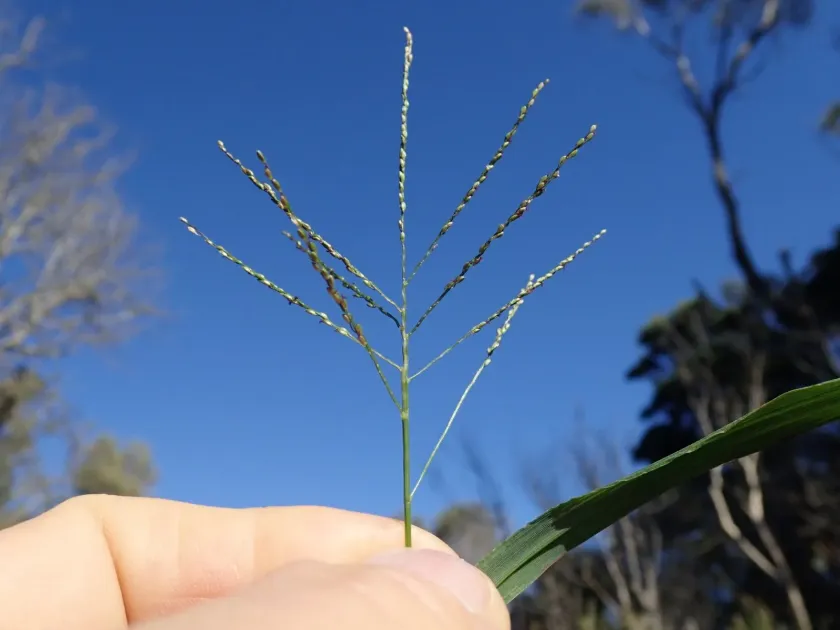
Description
Sowing dates
Digitaria parviflora, a member of the Poaceae family, is a warm-season grass that requires careful temperature monitoring during the establishment phase.
Sowing should take place once the soil temperature is consistently above 15-18 degrees Celsius, as the seeds are sensitive to cold conditions.
Given the small size of the seeds, shallow planting depths are essential to ensure successful germination and emergence through the soil surface.
High soil contact is achieved by preparing a fine seedbed, which significantly increases the uniformity of the resulting crop stand.
Early season maintenance is crucial, as the seedlings of this species develop relatively slowly compared to aggressive weed competitors during the first weeks.
Growing requirements
The species thrives in well-lit environments and prefers light-textured, well-draining soils that prevent moisture stagnation at the root zone.
As a heat-loving plant, it performs best in regions with a long and stable warm growing season, where the thermal requirements are fully met.
Neutral soil pH levels are preferred, allowing for optimal uptake of micronutrients and essential minerals necessary for vigorous plant development.
While the plant shows moderate drought tolerance, adequate moisture is required to maximize the biomass yield throughout the primary growth phase.
Proper nitrogen fertilization programs, especially during the tillering stage, are vital for encouraging density and robust green matter production.
Yield
Digitaria parviflora is primarily utilized as a forage crop, providing high-quality biomass for grazing livestock or as conserved hay.
The nutritional profile of the green forage is characterized by good protein content, making it a valuable asset for pasture-based feeding systems.
Yields are highly sensitive to management practices, including irrigation schedules and the precision of fertilizer application during the active season.
In a rotational grazing system, the plant demonstrates good recovery capacity, allowing for multiple harvest cycles if nutrient levels are maintained.
Consistent biomass production makes this species a reliable choice for farmers looking to diversify their forage portfolio with warm-season options.
Main diseases and pests
Common fungal diseases include rusts, which can negatively affect leaf surface area and reduce the total palatability of the harvested forage.
Root rots may occur if the soil remains waterlogged, particularly during cooler periods of the season, inhibiting plant health and general vigor.
Various insect pests, such as leafhoppers and stem-boring insects, can cause damage by feeding on young tissue and spreading potential viral infections.
Integrated pest management strategies are recommended, focusing on maintaining healthy plant stands to naturally mitigate the impacts of common pathogens.
Regular field scouting is essential to identify early signs of infestation and to apply targeted controls before damage spreads across the field.
Harvesting
The optimal harvest window for hay production occurs at the early heading stage, providing a balance between total biomass and nutritional quality.
Delayed harvesting leads to an increase in structural fiber and lignin content, which significantly lowers the digestibility for the livestock.
When used for pasture, grazing should be managed to avoid overgrazing, which depletes the root reserves of the grass and slows its regrowth.
Post-harvest management involves rapid drying of the cut grass to prevent the proliferation of molds and ensure the preservation of essential nutrients.
Dry storage conditions are critical for protecting the quality of the harvested feed, ensuring minimal loss of dry matter over the winter period.