
Digitaria nuda
Digitaria nuda
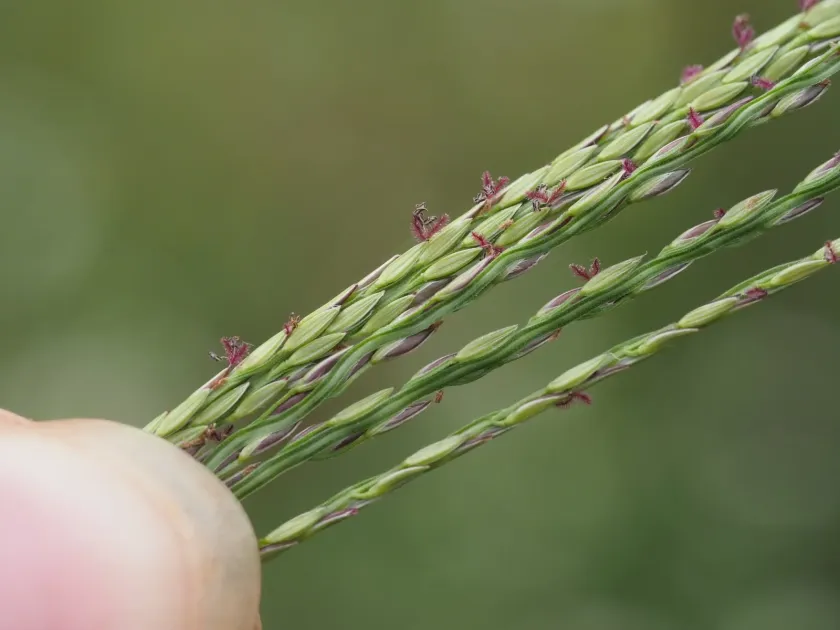
Description
Sowing dates
Digitaria nuda is a warm-season annual grass that requires soil temperatures of 12–15 degrees Celsius for successful germination. Sowing should be planned for late spring to ensure the seedlings avoid the risk of late frosts that can damage young plants.
Precise planting depth is essential, with seeds typically sown at 1–2 centimeters deep. Shallow sowing ensures that the small seeds maintain sufficient moisture levels while still being able to emerge through the soil surface effectively.
Field preparation is a critical step, requiring a firm and level seedbed to promote uniform germination. Proper compaction after sowing helps ensure adequate seed-to-soil contact, which is vital for the crop's establishment in the field.
Seeding rates should be adjusted based on regional climate data and soil fertility to optimize stand density. Dense stands can lead to resource competition, while thin stands may allow weeds to establish themselves more easily.
Early-season weed control is crucial, as the grass needs a head start to establish its root system. Once the crop reaches the tillering stage, it usually grows rapidly, providing better shade cover and suppressing further weed competition.
Growing requirements
This species belongs to the Poaceae family and thrives in tropical and subtropical environments. It has a high requirement for light and warmth, performing best when grown in full sun where it can capitalize on high temperatures for biomass accumulation.
Digitaria nuda prefers well-drained, sandy, or light-textured soils. It is highly intolerant of waterlogged conditions, making well-drained fields essential for healthy root development and preventing the onset of rot-related diseases.
A key characteristic of this crop is its notable drought tolerance, allowing it to remain productive even when rainfall is erratic during the summer months. It is an efficient user of soil moisture, which makes it a resilient choice for warmer regions.
While it can grow in various soil types, performance is maximized when the soil pH is near neutral and essential nutrients are available. Nitrogen fertilization is particularly effective in boosting green matter production during the peak growth phases.
The plant demonstrates significant environmental plasticity, adapting well to temperature shifts during the growing season. This durability ensures that the crop maintains a reliable supply of fodder under various field conditions.
Yield
The primary use of Digitaria nuda is as a high-quality forage crop for livestock. It is valued for its rapid growth rate, providing multiple cuts per season under favorable moisture conditions and contributing to a stable feed supply.
Nutritional value is highest when harvested at the vegetative or early flowering stage before the stems become overly lignified. Farmers aim to balance biomass quantity with feed quality by timing harvests to avoid maturity-related declines.
Seed production is another viable application, as the plant can yield a significant quantity of seeds that are useful for pasture restoration and soil stabilization projects. Proper harvest management is necessary to capture maximum seed yield.
The crop's root system is extensive, making it effective for soil erosion control in cultivated areas. By protecting the topsoil, it preserves the long-term productivity of the land, which is a valuable secondary agricultural benefit.
Total annual yield is dependent on soil nutrient availability and water management. Intensive systems that include supplemental irrigation can often double or triple the total green biomass harvested compared to rain-fed systems.
Main diseases and pests
While generally hardy, Digitaria nuda can be susceptible to powdery mildew when humidity levels remain high for extended periods. Proper spacing and airflow management within the field are effective ways to mitigate the spread of fungal pathogens.
Pests like aphids and various cereal-damaging flies may impact growth, particularly in young plants. Monitoring populations during the early vegetative stage allows for integrated pest management interventions if threshold levels are exceeded.
Root rots can become a concern if the soil remains waterlogged or if the same field is used for this crop consecutively for many years. Crop rotation is highly recommended to break the life cycles of soil-borne diseases and pests.
Weed competition during the first weeks after germination is the most significant threat to initial stand success. Mechanical weeding or selective herbicide application can be employed to ensure the crop establishes dominance quickly.
Overall, the plant is relatively resilient, and most threats can be managed through good agricultural practices. Maintaining a healthy soil structure and observing the field regularly are the best defenses against significant losses.
Harvesting
Harvest timing is determined by the specific objective, whether for high-protein green fodder or seed collection. For forage, cutting should occur just as the plant begins to flower to ensure maximum nutrient concentration and digestibility.
Using mowing equipment, the crop is cut at a height that encourages rapid regrowth from the base. Maintaining an appropriate stubble height is vital for the health of the plant and for achieving consistent yields in subsequent cuts.
Post-harvest management involves rapid drying to reach a moisture content suitable for storage. Turning the swaths helps achieve uniform moisture loss, which is critical for preventing mold growth during the drying process in hay production.
When harvesting for seeds, the process requires careful monitoring of maturity to prevent loss due to natural shattering. Combining equipment settings must be precise to separate the light seeds efficiently without damaging them or causing excessive loss.
Proper storage of seeds in cool, dry conditions with adequate ventilation ensures high germination rates for the next sowing season. Maintaining seed viability is the cornerstone of sustainable production for this annual grass species.