
Digitaria nodosa
Digitaria nodosa
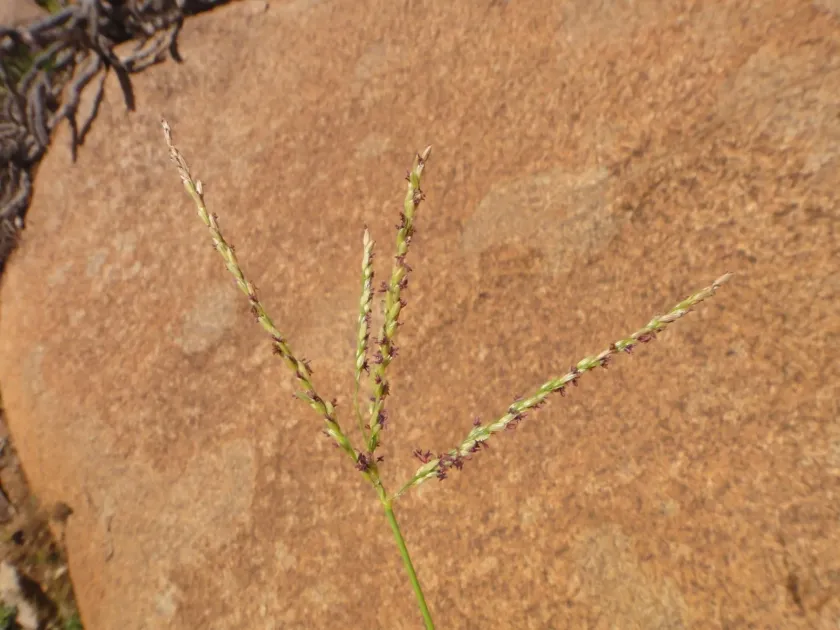
Description
Sowing dates
Digitaria nodosa is a perennial grass species belonging to the Poaceae family. It is recognized for its robust nature and ability to thrive in various environmental conditions typical of its native range.
Sowing should be performed when soil temperatures are consistently favorable for germination. As the seeds are relatively small, shallow sowing is required to ensure proper seedling emergence and establishment.
Preparation of a fine, firm seedbed is crucial to improve contact between seeds and the soil. Using a roller after sowing helps to consolidate the soil, which facilitates better capillary water movement to the seeds.
The establishment phase requires sufficient moisture, though once the root system develops, the plant becomes remarkably resilient. Proper density at sowing ensures a thick stand that minimizes weed encroachment.
In regions with a distinct dry season, sowing should be timed to coincide with the onset of rains to maximize the establishment period before the peak of environmental stress.
Growing requirements
This species is highly adaptable to a range of soil types, including sandy, loamy, and clay-based soils, provided they have adequate drainage. It performs best in soils with moderate to high fertility levels.
One of the primary benefits of Digitaria nodosa is its exceptional drought tolerance. It is well-suited for cultivation in semi-arid environments where other grass species might fail to persist.
The plant requires full sun exposure to achieve its maximum biomass production. Shading significantly impacts photosynthetic efficiency and reduces the overall vigor of the plant stand.
Optimal growth occurs during warm temperatures, making it a valuable warm-season grass. While it exhibits great heat resistance, it is sensitive to severe frost, which can damage the foliage and rhizomes.
Management practices should include appropriate nitrogen fertilization to stimulate recovery after grazing or harvesting. Maintaining soil fertility is key to sustaining productivity over multiple seasons.
Yield
Yield potential is dependent on the management intensity and the availability of water. With proper nitrogen application, this grass can produce high-quality green biomass suitable for livestock feed.
The nutritional profile of Digitaria nodosa is excellent for forage, particularly during the vegetative stage. Regular defoliation encourages the growth of fresh, protein-rich leaves.
It is widely utilized in pasture systems due to its ability to tolerate grazing pressure. It maintains a dense growth habit, providing a consistent food source throughout the growing season.
Seed production yields vary based on environmental conditions and the timing of the harvest. Proper monitoring of the maturity stage is essential to prevent significant losses due to seed shedding.
The economic value of this crop is enhanced by its perennial nature, reducing the need for frequent soil cultivation and reseeding, which lowers long-term operational costs.
Main diseases and pests
Pathogenic fungi, such as rusts and various leaf spots, represent a primary threat in humid conditions. Integrated pest management, including fungicide application if necessary, helps preserve stand health.
Pests like aphids and leafhoppers may infest the canopy, sucking sap and weakening the plants. Scout the fields regularly to detect early signs of infestation and implement control measures.
Weeds can be problematic during the establishment phase. Using pre-emergent or selective post-emergent herbicides can help reduce competition until the grass stand becomes fully established and dominant.
Overgrazing poses a structural threat to the stand, as it can deplete root carbohydrate reserves. Implementing rotational grazing patterns is vital to maintain long-term stand vigor and resilience.
Environmental stressors, such as prolonged waterlogging, can exacerbate the impact of soil-borne diseases. Ensuring proper field drainage is a critical cultural practice to mitigate these risks.
Harvesting
Harvesting for hay should be timed when the plants reach the early heading stage. This stage offers the best balance between biomass yield and the nutritional quality of the forage.
Cutting height is an important factor to consider during harvest. Maintaining a stubble height that protects the growing points is essential for rapid regrowth and stand persistence.
Post-harvest management includes drying the forage efficiently to maintain its nutrient content. Modern baling and storage techniques help preserve the hay for winter feeding or export.
Seed harvesting requires careful adjustment of combine settings to avoid mechanical damage to the seeds. The timing must be precise, as the seeds often ripen and shed quickly.
Following harvest, field maintenance such as light harrowing can help clear debris and improve soil aeration, thereby encouraging the plant to resume active growth in the following cycle.