
Digitaria monodactyla
Digitaria monodactyla
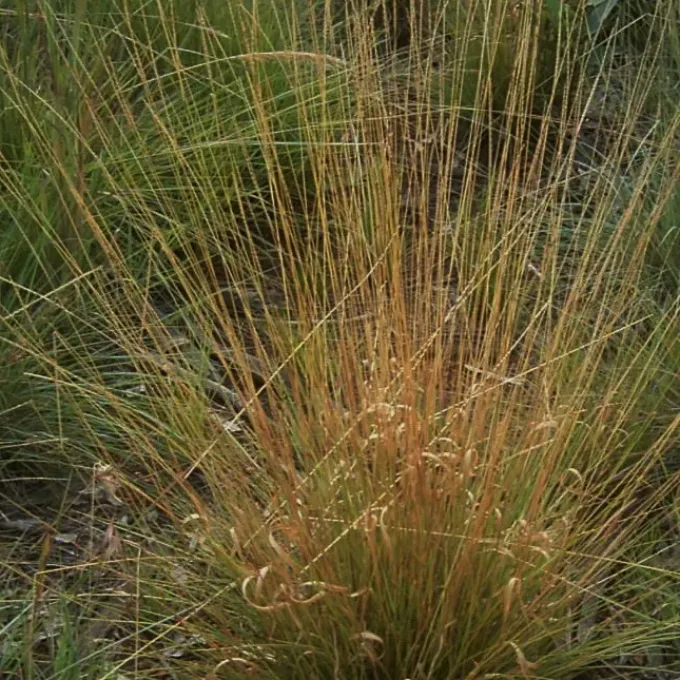
Description
Growing requirements
Digitaria monodactyla is a perennial grass species belonging to the Poaceae family. It is widely recognized for its adaptation to tropical and subtropical climates where it often serves as a key component of savanna-like ecosystems.
The crop thrives in regions characterized by high temperatures and extended periods of drought. Its physiological mechanisms allow it to maintain vitality under conditions that would be detrimental to less resilient forage species.
Regarding soil requirements, Digitaria monodactyla prefers well-drained sandy or loamy soils. It demonstrates remarkable tolerance for nutrient-poor substrates, making it an excellent candidate for land reclamation projects.
The plant requires full sun exposure for optimal photosynthesis and growth. It is highly sensitive to waterlogging, necessitating fields with excellent drainage to prevent root rot and general plant decay.
Botanically, it features a robust root system that stabilizes the soil and efficiently captures subsurface moisture, contributing to the plant's overall resilience in harsh environmental conditions.
Yield
The primary agricultural use of Digitaria monodactyla is as grazing forage for livestock. It provides a reliable source of nutrition during the hot season, maintaining biomass when other crops might fail.
In pastoral management, this grass is valued for its regrowth ability following grazing. Its nutritional profile supports livestock maintenance, making it a staple in extensive grazing systems.
Yield stability is a notable characteristic of this species. Even with minimal inputs, it produces significant biomass, which can be harvested or grazed, depending on the management strategy.
The efficiency of the crop is best realized in integrated grazing systems where stock density is monitored to allow for natural plant recovery and sustained productivity over the growing cycle.
Its role as a pasture crop extends to its capacity to protect soil integrity in fragile ecosystems, turning marginal lands into productive zones for livestock agriculture.
Main diseases and pests
Common threats to Digitaria monodactyla include fungal infections, particularly leaf spots and root rots, which often appear during periods of high humidity or poor soil drainage.
Various insect pests, typical for Poaceae, can impact plant vigor. These pests may feed on the foliage or burrow into the stalks, reducing both biomass quality and forage yield.
Effective disease management involves monitoring for early symptoms of fungal outbreaks and ensuring that pasture management prevents the buildup of humidity within the dense grass canopy.
Weed competition can hinder establishment if not managed correctly. Proper pasture rotation is essential to suppress invasive species that may compete for light and nutrients.
Preventing overgrazing is critical, as it weakens the plant's defense mechanisms and makes it more susceptible to environmental stress, pests, and pathogen infestation.