
Digitaria macractenia
Digitaria macractenia
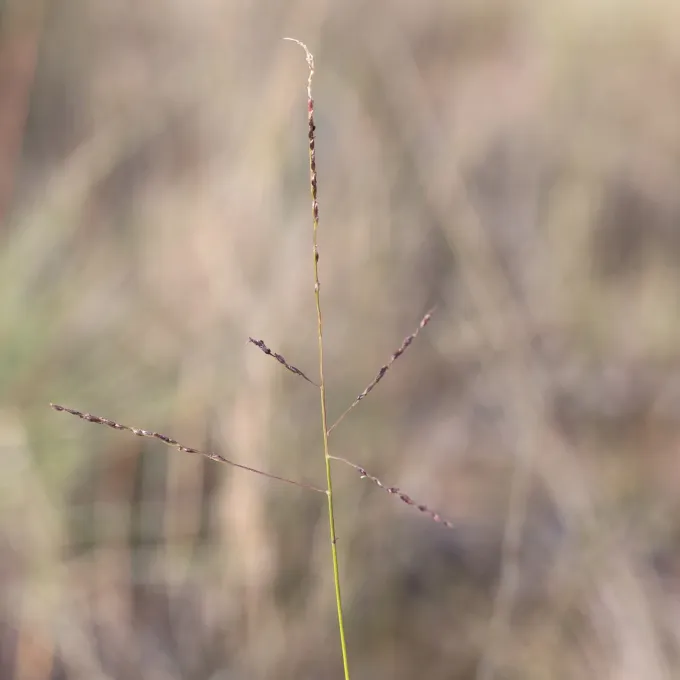
Description
Growing requirements
Digitaria macractenia is a robust grass species belonging to the Poaceae family. It is widely recognized for its adaptability to tropical and subtropical climates, where it plays a significant role in providing high-quality forage for livestock operations.
The plant features a deep and extensive root system, which allows it to thrive in various soil types, particularly well-drained loamy and sandy soils. It is highly valued for its ability to maintain growth during periods of moderate heat and its resilience against varying soil fertility levels.
Climate requirements for this crop focus on consistent warmth and high solar radiation. Digitaria macractenia performs optimally in temperature ranges between 22 and 32 degrees Celsius; it is highly sensitive to frost, which significantly limits its growing season in temperate zones.
Agricultural management requires careful attention to nitrogen fertilization to stimulate biomass production. Regular soil testing is recommended to ensure that micronutrients are balanced, as this promotes the density of the turf and enhances the nutritional quality of the forage provided to cattle.
Economically, this species is utilized primarily for grazing and hay production. Its high palatability for livestock, combined with its rapid regrowth rate following harvest, makes it an excellent choice for rotational grazing systems intended to maximize productivity per hectare.
Main diseases and pests
Like many grass species, Digitaria macractenia is susceptible to fungal pathogens, including rusts and smuts, especially when grown under conditions of high humidity and poor airflow. Managing plant density and ensuring good field drainage are essential preventative measures.
Pest management is focused on controlling cereal aphids and leaf-chewing insects that can reduce the photosynthetic capacity of the plants. Integrated pest management (IPM) strategies, including biological control and judicious pesticide use, are encouraged to maintain healthy forage stands.
Weed competition during the establishment phase is a critical challenge. Farmers should implement effective weed management programs, including mechanical cultivation or selective herbicide applications, to allow the crop to establish a competitive root system early on.
Root rot pathogens are a potential threat in poorly drained soils. Avoiding waterlogged areas and maintaining proper soil structure through effective tillage practices helps minimize the risk of soil-borne diseases that can stunt plant growth and reduce total yield.
Consistent monitoring of the field is necessary to identify early signs of nutrient deficiency or pest outbreaks. By maintaining a proactive approach to crop health, producers can ensure the longevity of the pasture and consistent seasonal yields for their livestock operations.