
Digitaria longiflora
Digitaria longiflora
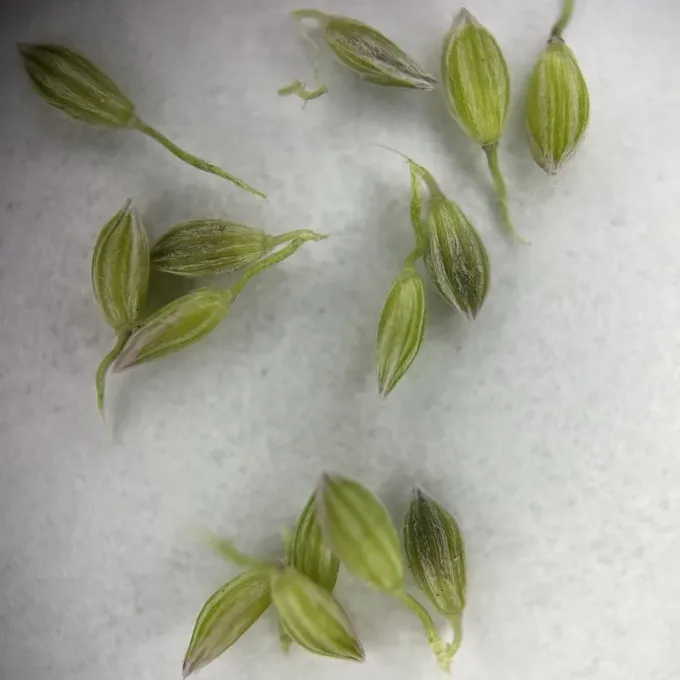
Description
Growing requirements
Digitaria longiflora, commonly known as the slender finger-grass, is a perennial grass species belonging to the Poaceae family. Originating from tropical and subtropical regions, this grass is widely distributed across Africa, Asia, and Australia, where it is valued for its ability to thrive in various warm-climate ecosystems.
Botanically, it is characterized by its stoloniferous habit, meaning it spreads through creeping stems that root at the nodes. This growth pattern allows the plant to form dense mats, making it an excellent ground cover that helps stabilize soil against erosion in tropical environments.
The climate requirements for Digitaria longiflora include consistent warmth and moderate to high rainfall. It is highly sensitive to frost, which limits its primary cultivation to regions where temperatures remain predominantly above 15-20 degrees Celsius throughout the growing season.
Regarding soil, this grass is quite adaptable, preferring sandy or loamy textures that offer good drainage. While it can handle periods of moisture, it thrives best in soils that are aerated, as excessive waterlogging can inhibit root respiration and nutrient uptake.
Economically, it serves as a robust pasture grass. Its tolerance to grazing pressure makes it a favored choice for livestock producers in tropical zones who require persistent forage that can regenerate quickly following consumption by cattle or sheep.
Main diseases and pests
The primary threats to Digitaria longiflora include fungal pathogens such as rusts and leaf spots, which can significantly reduce the biomass quality if left unmanaged during periods of high humidity.
Insect pests, including various species of grasshoppers and soil-dwelling larvae, pose a risk to both the vegetative foliage and the root system, potentially causing patchy growth in fields.
Weed competition is a significant concern during the establishment phase, as the creeping nature of the grass requires space to colonize; aggressive weeds can easily outcompete new growth.
Management practices such as periodic grazing or mowing are essential to prevent the accumulation of old, low-quality stem material, which can provide a breeding ground for pests.
Maintaining soil fertility through appropriate nitrogen application helps the grass recover faster from pest damage and increases its overall resistance to environmental stress.