
Digitaria lanuginosa
Digitaria languinosa
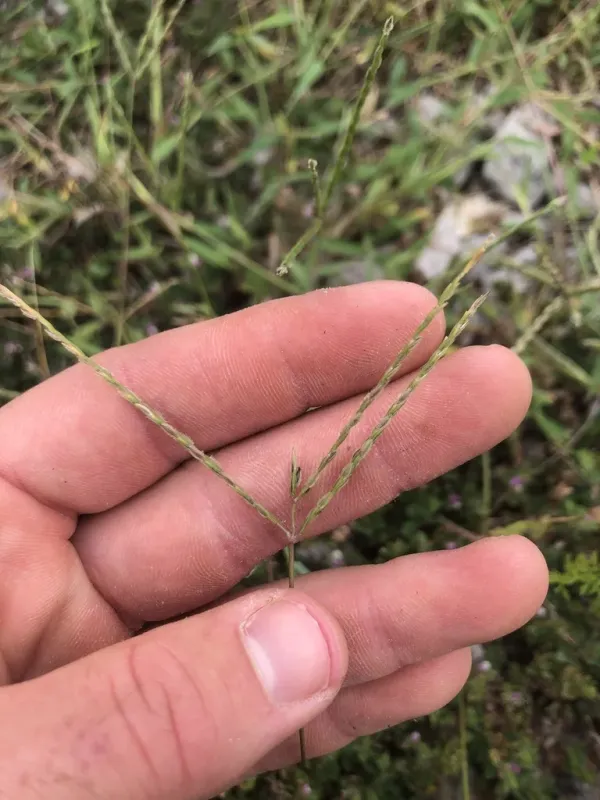
Description
Sowing dates
Digitaria lanuginosa is a warm-season annual grass that requires significant soil warmth for successful germination. Sowing should only occur in late spring once the threat of frost has passed and soil temperatures have consistently reached 15-18 degrees Celsius.
Proper soil preparation is essential to ensure seed-to-soil contact. In dry regions, light rolling after sowing helps to lock in moisture and provides the necessary pressure to facilitate even germination across the entire plot.
Seeding rates typically range from 10 to 12 kg per hectare for hay production, depending on the seed quality and local environmental factors. Because the seeds are small, they should be planted at a shallow depth of approximately 1-2 cm to ensure the seedlings emerge quickly without exhausting their energy reserves.
When incorporating this species into grass mixtures, it is important to select companion crops with similar growth rates to prevent early-stage competition. Proper planning of row spacing can help establish a uniform stand and reduce weed pressure.
Initial growth is relatively slow, so keeping the field free of invasive weeds during the first few weeks is critical. Once the plants have established a solid root system, they become much more competitive and resilient against surrounding weeds.
Growing requirements
As a warm-season grass, it thrives under direct sunlight and high temperatures. It is highly sensitive to shading, which can significantly reduce tillering and lower the overall nutritional density of the foliage compared to plants grown in full sun.
The crop performs best on light-textured soils such as sandy loams or well-drained loamy soils. While it has some tolerance to acidity, it achieves maximum productivity in neutral to slightly acidic pH conditions, reflecting its high adaptability to various soil types.
One of its main advantages is its resilience to moderate drought. This makes it a reliable choice for areas with unpredictable summer precipitation, though it cannot tolerate waterlogged soils where root rot can quickly develop.
Nitrogen fertilization is essential for maximizing green biomass yields, but it must be balanced to prevent lodging. Phosphorus and potassium applications play a key role in developing a strong root system, which further improves the plant's survival during stress periods.
Maintaining soil structure through proper cultivation techniques ensures adequate oxygenation of the rhizosphere. Regular field management is necessary to maintain the health and vigor of the grass throughout the growing season.
Yield
Yield performance is heavily dictated by soil fertility and the frequency of management interventions. Under optimal conditions, with sufficient nitrogen and adequate moisture, this crop can yield between 250 and 300 centners of green mass per hectare per season.
To maximize forage quality, the crop should be harvested before it enters the flowering stage. This period provides the ideal balance of crude protein and digestibility, ensuring high intake rates when fed to livestock.
Seed harvesting requires precise timing due to the natural tendency of the seeds to shatter as they mature. A two-stage harvest approach is often recommended to allow for initial drying in the field, which minimizes seed loss during the threshing process.
In rotational grazing systems, the crop offers high levels of metabolizable energy. By allowing adequate recovery periods between grazing cycles, producers can ensure a sustained supply of high-quality forage throughout the hottest months of the summer.
Productivity typically drops as temperatures decline in the autumn. As a warm-season plant, its metabolic activity slows down rapidly with the first signs of cold weather, signaling the end of its peak productive window.
Main diseases and pests
Digitaria lanuginosa generally exhibits a strong immune profile, though it is susceptible to fungal infections in high-humidity environments. Leaf rust is the most common concern, which can manifest as dark spots on the foliage and significantly degrade the quality of the hay.
Powdery mildew can become an issue in overly dense, poorly ventilated stands. Managing the density of the crop and ensuring good airflow across the field are the primary cultural methods to prevent these issues from escalating.
Insect pests, particularly grass flies and aphids, can damage the terminal shoots of young plants. If left unchecked, these pests can lead to stunted growth and reduced biomass, requiring close monitoring during the seedling phase.
Soil-borne pests like wireworms may present challenges on sites previously used for permanent pasture. An integrated pest management approach, including diverse crop rotation, helps maintain population levels below economic damage thresholds.
Good field hygiene and the removal of crop residues can significantly reduce the overwintering potential for pathogens and pests, ensuring a cleaner environment for the next growing season.
Harvesting
The optimal time for hay harvesting is at the heading stage. This timing captures the highest levels of digestible nutrients before the stem tissues begin to lignify, which would otherwise reduce the palatability for livestock.
Drying requires careful handling to prevent mold growth, especially in humid conditions. Tedding or frequent turning of the swaths is necessary to ensure uniform moisture reduction, which is vital for safe long-term storage.
For silage or haylage production, the crop should be wilted to 50-60% moisture content before being finely chopped and compacted. Effective sealing of the silo is critical to facilitate fermentation and preserve the nutritional integrity of the fodder.
Seed moisture must be closely monitored during harvesting for grain, with levels ideally kept below 14% to ensure viability. Storing seed in a cool, dry place will help maintain germination rates for future planting cycles.
Post-harvest residues serve as valuable organic matter. Incorporating these leftovers back into the soil helps maintain soil structure and supports the biological activity necessary for sustaining future crop performance.