
Iburu
Digitaria iburua
Description
Sowing dates
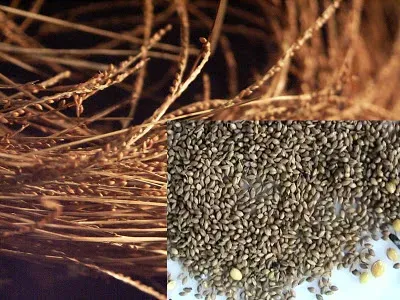
Iburu (Digitaria iburua) is an annual cereal crop belonging to the Poaceae family. It is a close relative of fonio and is traditionally cultivated in the mountainous regions of West Africa, particularly in Nigeria, Togo, and Benin.
The sowing season is strictly dictated by the onset of the rains. Seeds are manually broadcasted into prepared fields immediately after the first seasonal rainfall to ensure the crop has a sufficient window to mature before the soil moisture depletes.
Due to the extremely small size of the seeds, farmers typically cover them with a thin layer of soil using light raking. This technique protects the seeds from being washed away by heavy tropical downpours common at the beginning of the wet season.
The crop establishes quickly but remains susceptible to weed competition during the early vegetative phase. Proper spacing is essential to encourage tillering and to allow enough light for each individual plant to develop its panicles.
Traditional agricultural practices often involve intercropping Iburu with other local varieties. This biological diversity helps manage soil fertility and provides a more resilient cropping system against localized environmental stresses.
Growing requirements
Iburu thrives in tropical climates characterized by a distinct wet season. It is remarkably well-adapted to high temperatures and intense solar radiation, often outperforming more sensitive cereal grains in such challenging environments.
The crop is known for its ability to grow on poor, sandy, or acidic soils where many other cereals would fail. Its root system is efficient at extracting limited nutrients from nutrient-deficient soils, making it a valuable crop for marginal lands.
Adequate sunlight is the most critical environmental requirement. Iburu requires full sun exposure for optimal growth; excessive shading from surrounding vegetation or overcrowding significantly inhibits yield and grain filling.
While it is drought-tolerant, Iburu performs best when there is consistent rainfall during the active growth period. The plant prefers well-drained soils, as waterlogging can lead to root rot and other physiological disorders.
In traditional settings, the crop is rarely fertilized with synthetic inputs. Farmers rely on organic matter cycling and long fallow periods to maintain the soil structure and nutrient levels necessary for successful cultivation.
Yield
Yields for Iburu are generally modest, often ranging from 0.8 to 1.5 tonnes per hectare. Despite these figures, the crop remains highly prized for its exceptional nutritional profile and its adaptability to local conditions.
The grain is rich in protein and essential amino acids, particularly methionine and cystine. These nutritional qualities make it a vital food source for rural populations, especially during the lean season before other crops have matured.
Beyond the grain, the straw of the Iburu plant serves as a useful agricultural byproduct. It is commonly used as animal feed or as mulch in garden beds, contributing to the overall productivity of the farming system.
Yield stability is a primary focus for local farmers, who select seeds from the most robust plants for the following year's planting. This informal selection process has preserved the genetic integrity of the crop for generations.
While large-scale commercial yield data is limited, small-holder productivity demonstrates that Iburu can be a profitable niche crop when managed with appropriate traditional techniques that focus on soil conservation.
Main diseases and pests
Smut and rust are the most prevalent fungal diseases affecting Iburu crops. These pathogens often thrive in high-humidity conditions, emphasizing the need for good field hygiene and proper seed selection to prevent outbreaks.
Insect pests, including various beetles and lepidopteran larvae, pose risks to both the growing crop and stored grains. Storage hygiene, such as using airtight or pest-proof containers, is crucial to minimize post-harvest losses.
Bird damage is a significant challenge during the grain-filling stage. Farmers often employ scare tactics or traditional monitoring to protect the fields from flocks that can consume a substantial portion of the potential yield.
Weed infestation is a constant pressure, especially during the early weeks. Persistent manual weeding is the standard control method, as chemical herbicides are generally not used in the traditional cultivation systems of West Africa.
Climate variability, including shifts in rainfall patterns, can disrupt the plant's life cycle. Resilience to these environmental shifts remains a subject of interest for agricultural researchers seeking to stabilize food security in the region.
Harvesting
Harvesting is a labour-intensive manual process involving the use of small sickles to cut the mature panicles. Because the grains are small, great care is taken to avoid shattering and losing them during the cutting and handling phases.
After collection, the panicles are tied into bundles and dried in the sun. Thorough drying is essential to reduce moisture content, which prevents spoilage and fungal growth during the subsequent storage period.
Threshing is usually performed on a clean, hard surface where the grain is manually beaten out of the panicles. Winnowing follows, using natural breezes to separate the light chaff from the heavier, nutritious grains.
The cleaned grain is stored in dry, cool, and well-ventilated conditions. When properly stored, Iburu grain is resistant to spoilage and can provide a long-term dietary staple for the household throughout the year.
The grain is versatile in culinary use, often prepared as a porridge, added to local soups, or ground into a fine flour. Its high prestige and limited availability often lead to it being featured in special cultural and social events.