
Digitaria hayatae
Digitaria hayatae
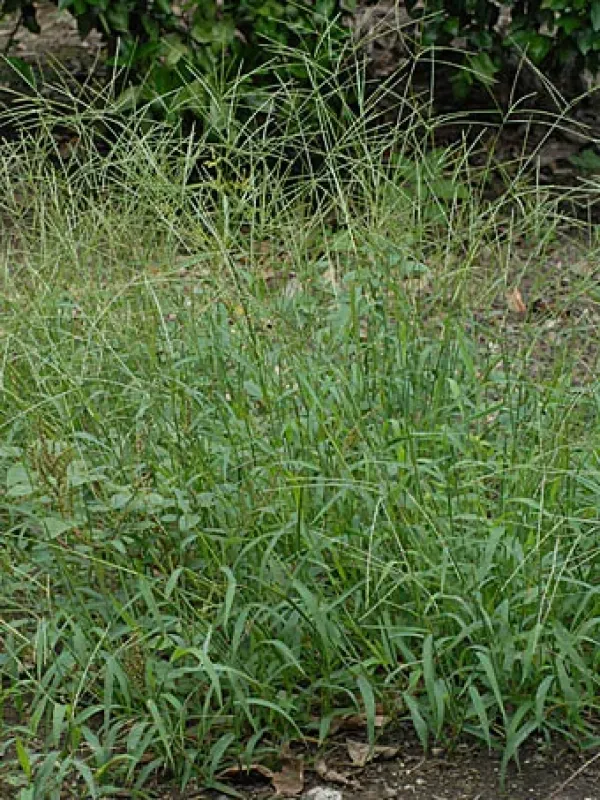
Description
Growing requirements
Digitaria hayatae is a grass species belonging to the Poaceae family, known for its adaptability to various tropical and subtropical environments. This plant typically features a spreading growth habit, which makes it an effective ground cover and a valuable component of pasture ecosystems.
Regarding its habitat, the plant is native to parts of East Asia, thriving in well-drained soils and sunny areas. It exhibits significant resilience to fluctuating moisture levels, although it performs best in well-aerated, loamy soils that allow for rapid root development during the primary growing season.
The cultivation requirements for Digitaria hayatae include a warm climate with sufficient sunlight to stimulate photosynthesis and biomass accumulation. Farmers should ensure that the planting site has good soil fertility, as the grass benefits significantly from strategic fertilization, particularly nitrogen inputs during the early vegetative phase.
Water management is crucial for this crop; while it can withstand short periods of drought, consistent moisture during the peak growing months significantly enhances the yield of green forage. Excessive waterlogging should be avoided to prevent root diseases and ensure long-term stand persistence.
From an agricultural standpoint, this species is utilized primarily for forage production. Its ability to regenerate after cutting or grazing makes it a reliable resource for livestock farmers looking to maintain a steady supply of nutritious fodder throughout the warmer months of the year.
Main diseases and pests
Like many grasses in the Digitaria genus, this plant can be affected by common fungal pathogens such as rusts and leaf spots. These infections are most prevalent in areas with high humidity or poor air circulation, which stresses the plants and reduces their overall nutritional quality.
Insect pests such as leafhoppers and various species of aphids pose a persistent threat to the crop. These pests feed on the sap of the stems and leaves, which can lead to stunted growth and yellowing of the foliage, ultimately impacting the total biomass yield for hay or grazing purposes.
Management of these threats is best achieved through good agricultural practices, including balanced fertilization and proper pasture management. Keeping the soil healthy helps the plants maintain their natural immunity, thereby reducing the need for aggressive chemical interventions.
Farmers should implement a monitoring program to detect pest outbreaks at early stages. Early intervention, such as adjusting grazing cycles or using targeted biological control agents, can prevent large-scale infestation and preserve the overall viability of the field.
Finally, controlling competitive weeds is essential during the establishment phase of Digitaria hayatae. Weeds compete for nutrients, light, and water, potentially delaying the growth cycle and leading to a sparse, less productive stand that is more susceptible to disease pressures.