
Slender crabgrass
Digitaria filiformis
Description
Growing requirements
Slender crabgrass (Digitaria filiformis) is an annual grass species belonging to the Poaceae family. It is native to North America and typically grows in dry, sandy, or open areas, often found in fields, meadows, and along roadsides.
The plant thrives in well-drained soils and is highly adapted to low-fertility environments. Unlike some other competitive grasses, it prefers sites with full sun exposure, which is essential for its robust growth and the development of its characteristic slender inflorescences.
Climatically, it is a warm-season grass that germinates when soil temperatures rise in late spring. It shows remarkable resilience to dry spells, making it a persistent species in areas with limited irrigation or naturally arid conditions.
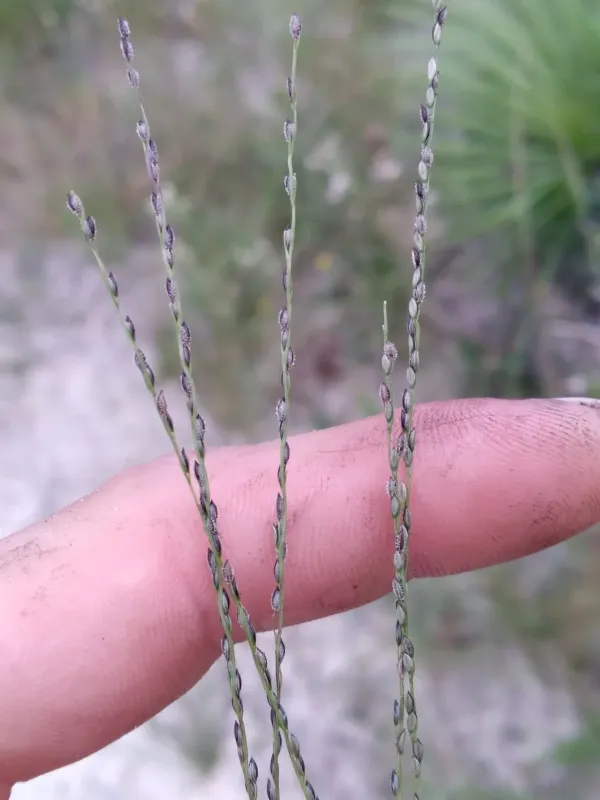
Morphologically, Digitaria filiformis is distinguished by its fine, erect stems and very narrow leaves. The seed heads appear as slender, finger-like racemes, which gave the plant its common name and distinguishes it from broader-leaved crabgrass species.
From an agronomic perspective, it serves as a component of wild pastures. While it is often considered a minor species in agricultural settings, its ability to stabilize loose soil in dry regions has been noted by researchers studying grassland ecosystems.
Main diseases and pests
One of the primary threats to the health of this grass is rust disease, particularly in seasons with prolonged periods of high humidity. Rust fungi can significantly reduce the photosynthetic area of the leaves if left untreated.
Insect pests such as leafhoppers and aphids are common concerns. They feed on plant sap, which can stunt growth and, in severe cases, cause the chlorosis or death of individual shoots during the early stages of development.
Soil-borne pests like white grubs can cause severe damage to the root system, leading to uneven stands. Management usually involves monitoring soil conditions and ensuring proper drainage to discourage larvae development.
Competition from more aggressive weed species is a constant threat during the establishment phase. Proper land preparation and, if necessary, strategic weeding are required to ensure the grass can form a healthy population.
Integrated pest management, focusing on maintaining soil health and providing adequate spacing, is the most effective way to prevent widespread infection or pest infestation in managed grass stands.