
Digitaria delicata
Digitaria delicata
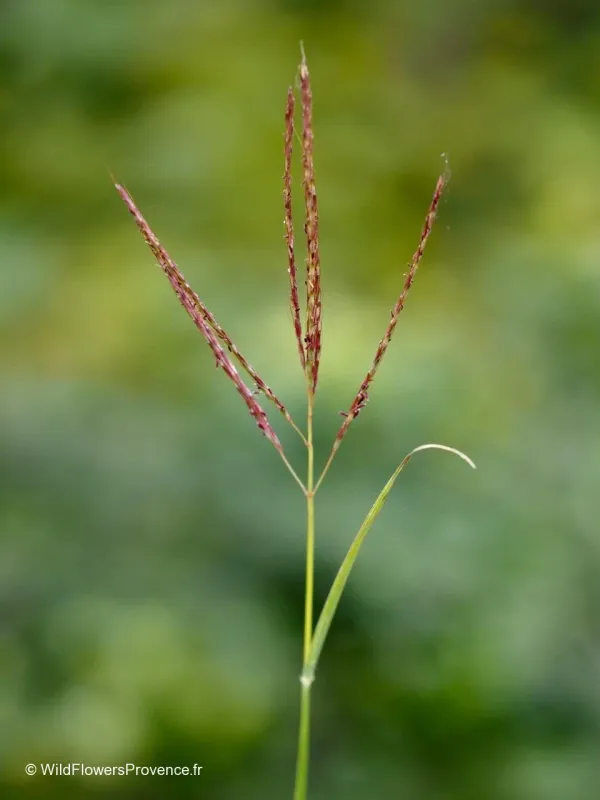
Description
Growing requirements
Digitaria delicata is an annual grass species belonging to the Poaceae family. Primarily found in tropical and subtropical regions, it is recognized for its potential as a high-quality forage crop for livestock.
The plant thrives in well-drained, fertile soils, showing a preference for loamy textures that hold sufficient moisture without becoming waterlogged. Soil fertility management is essential to ensure robust growth and high biomass yields.
As a heat-loving species, Digitaria delicata requires significant sunlight and high temperatures to reach its full development potential. It is highly susceptible to frost and should only be cultivated in frost-free seasons.
Botanical traits of this species include a fibrous root system and rapid post-harvest recovery, making it an excellent candidate for intensive rotational grazing systems or multiple hay cuts per season.
In agricultural settings, it is valued for its nutritional profile. The leaves are generally soft and palatable, providing an efficient energy source for ruminants, which distinguishes it from tougher, more fibrous grass species.
Main diseases and pests
The primary threats to Digitaria delicata include various fungal infections, particularly those triggered by prolonged high humidity or poor soil drainage, such as leaf blight or root rot.
Pests that commonly impact this crop include grass aphids and stem-boring insects, which can reduce foliage density and overall biomass quality during the peak growing season.
Effective weed management is critical during the seedling establishment phase, as the young plants are sensitive to competition from aggressive grasses and broadleaf weeds.
Implementing a proper crop rotation strategy and maintaining optimal plant density helps in mitigating the spread of pathogens across agricultural fields.
Integrated pest management, including regular field scouting and early detection of infestations, remains the standard approach to protecting the yield and maintaining field health.