
Digitaria cruciata
Digitaria cruciata
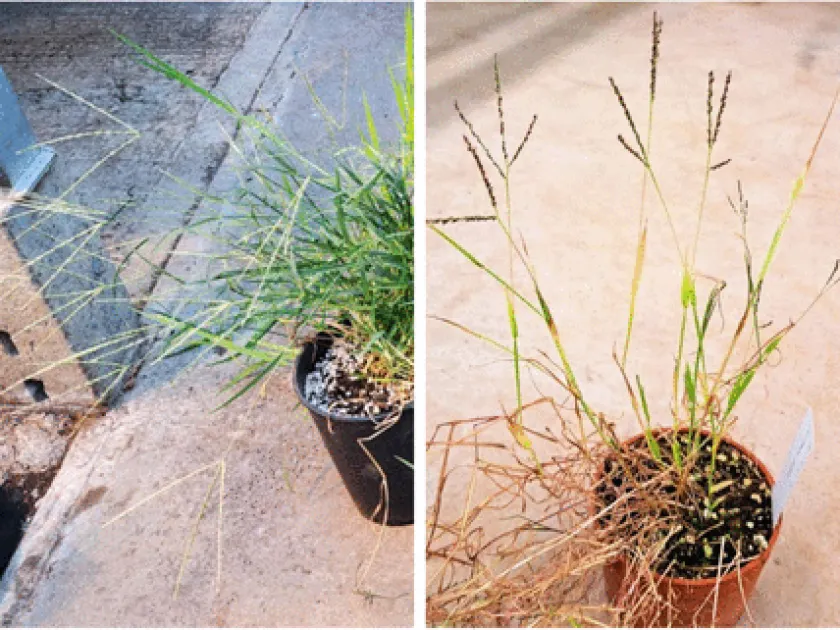
Description
Sowing dates
Digitaria cruciata is a member of the Poaceae family, widely known as a valuable forage grass. It is an annual plant primarily cultivated in tropical and subtropical regions where the growing season supports its rapid development.
The optimal sowing time is typically at the onset of the rainy season when soil temperatures are high enough to ensure rapid germination. Cold soil conditions should be avoided to prevent seed rot and poor establishment.
Cultivation requires a well-prepared seedbed, cleared of weeds and debris. Seeds are small and should be sown at a shallow depth of about 1–2 centimeters, ensuring sufficient soil-to-seed contact for moisture absorption.
Standard sowing patterns involve row spacing of 20–30 centimeters. This density allows the crop to establish quickly, reducing the opportunity for weed infestation and ensuring uniform development across the field.
During the early growth stages, the crop is sensitive to weed competition. Once the grass reaches the tillering phase, it creates a dense canopy that naturally suppresses unwanted vegetation, facilitating easier crop management.
Growing requirements
Digitaria cruciata is highly photophilic and requires full sun exposure to achieve its maximum biomass potential. Shaded areas significantly reduce the quality and quantity of the forage produced.
The crop thrives in well-drained, sandy loam or light loamy soils. Excessive moisture or waterlogged conditions are detrimental to root health and can lead to plant diseases, making drainage an essential requirement.
It is adapted to warm climatic conditions and shows good tolerance to moderate dry spells. However, consistent moisture during the most active growth phases is necessary for high-yield results.
While the crop can grow in soils with average fertility, the application of nitrogen-based fertilizers significantly boosts vegetative growth. Soil pH should ideally range between 5.5 and 7.0 for optimal nutrient uptake.
The crop does not require complex infrastructure but does need a steady water supply in regions with irregular rainfall patterns. Proper field management regarding drainage and soil fertility is key to success.
Yield
The primary use of Digitaria cruciata is as a source of nutritious green fodder for livestock. Its digestibility and palatability make it a preferred choice for cattle and small ruminants in many regions.
Yield capacity is largely determined by the number of cuts per season. Under ideal irrigation and fertilization, multiple cuts are achievable, providing a continuous supply of green biomass throughout the warm season.
In some parts of the Himalayas, the seeds of this plant are historically consumed as a minor grain. This dual-purpose utility highlights its importance for food security and livestock support in mountainous farming systems.
To maximize yields, harvesting must be timed according to the plant's phenological development. Harvesting at the peak of vegetative growth ensures the best ratio of proteins to structural fibers.
Proper field maintenance, including the removal of weeds after the initial harvest, stimulates rapid regrowth. This characteristic makes the crop highly productive in intensive rotational grazing or cutting systems.
Main diseases and pests
Like many Poaceae species, Digitaria cruciata is susceptible to common grass diseases such as rust. High humidity and poor air circulation between dense plants are primary risk factors for such fungal infections.
Pest threats include various species of aphids and grain beetles that feed on leaves or seed heads. These pests can diminish the overall health of the plant and reduce the harvest volume if left unchecked.
Crop rotation is the most effective preventative measure against soil-borne pathogens. Avoiding monoculture for extended periods helps maintain soil health and reduces the pressure from specialized insects.
When chemical intervention is required, only authorized and selective insecticides or fungicides should be applied. Adhering to the safety intervals for forage crops is crucial to ensure livestock safety.
Proactive field monitoring for early signs of disease and pest damage allows for timely mitigation, which is far more efficient than attempting to control fully developed infestations.
Harvesting
The harvest for green fodder is recommended during the late tillering or early flowering stage. At this phase, the plants contain the highest concentration of digestible proteins and minerals before energy is directed to seeds.
For seed production, the harvest should be performed when the heads are fully mature but before the seeds start to shatter naturally. Prompt harvesting prevents significant field losses due to seed drop.
Mechanical harvesting using forage harvesters is the standard practice for large-scale operations. This equipment ensures clean cutting and can simultaneously condition the plant matter to speed up drying if needed.
When drying for hay, the moisture content should be reduced to approximately 14-15%. This stable moisture level allows for safe long-term storage without the risk of microbial spoilage or heating.
Storing the harvested material in a dry, ventilated area is vital for preserving the nutritional value. Protection from rain and high humidity ensures that the forage remains high-quality until it is fed to livestock.