
Digitaria cognata
Digitaria cognata
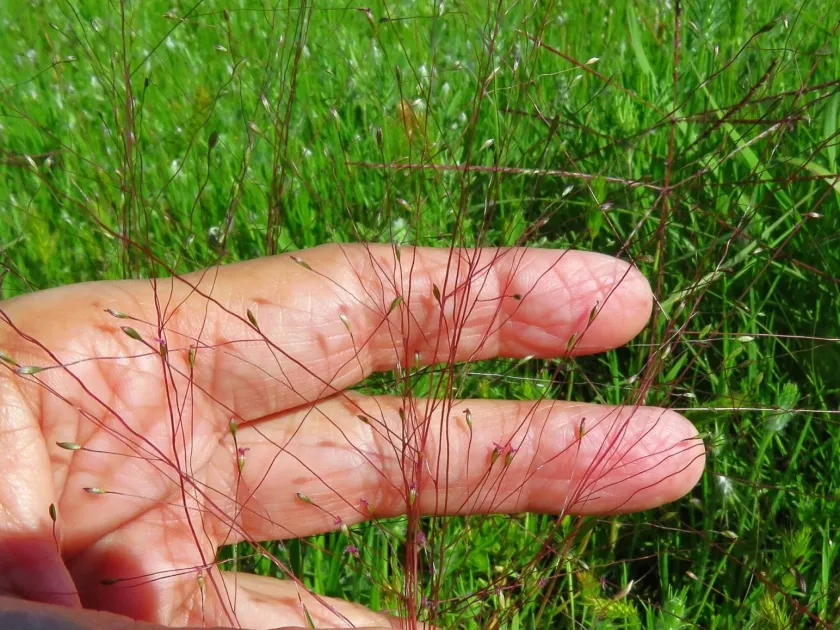
Description
Sowing dates
Sowing of Digitaria cognata seeds is typically conducted during the spring season once the soil has sufficiently warmed up. The optimal window is late April or early May, after the danger of late frosts has passed.
For earlier flowering, the seedling method is recommended, starting in greenhouses during March. The seeds require light for germination, so they should not be buried too deeply in the soil medium.
For direct sowing in the field, it is necessary to provide consistent irrigation until germination occurs. The crop is sensitive to the drying out of the topsoil layer during the first few weeks after emergence.
Plant spacing should be maintained between 30 and 50 centimeters to ensure adequate air circulation. This preventative measure significantly reduces the risk of fungal disease development in dense plantings.
Digitaria cognata exhibits strong germination vigor when maintained at temperatures between 20 and 25 degrees Celsius. Following the suggested sowing schedule allows the plant to establish a robust root system before the onset of summer heat.
Growing requirements
This species belongs to the Poaceae family and thrives in open, sun-drenched locations. It demonstrates excellent adaptation to poor, sandy, and loamy soils, making it a viable candidate for land reclamation and low-fertility sites.
Digitaria requires moderate drainage, as waterlogged conditions in the root zone can lead to root rot. The plant possesses high drought tolerance, largely due to its well-developed, deep root architecture.
The optimal soil pH range for this crop is slightly acidic to neutral (6.0–7.5). The plant does not have high requirements for supplemental mineral fertilization, making it a low-input choice for landscape applications.
Native to North America, the plant shows exceptional resilience to high temperatures. Its cold hardiness allows it to be cultivated as a perennial in temperate climates, effectively surviving winter dormancy.
Agronomic management includes minimal soil tillage and occasional weeding during the first year of growth. Once established, the dense clumps of the plant successfully outcompete most surrounding weeds.
Yield
The primary use of Digitaria cognata is in ornamental landscaping and environmental restoration. In the agricultural sector, it is valued as a groundcover that effectively prevents erosion on light, sandy soils.
While the vegetative biomass production is significant, it is rarely utilized as forage or fodder. In ornamental gardening, its delicate, airy panicles are prized for their aesthetic appeal, often persisting until late autumn.
Seed production is consistent under favorable weather conditions. The maturation of seeds concludes by the end of the summer season, facilitating easy collection for propagation purposes.
In natural habitats, Digitaria forms thick sods, providing a highly effective cover on large areas. This biological trait is utilized for stabilizing embankments and reinforcing fragile sandy shorelines.
The total plant biomass is capable of rapid regrowth following partial mowing, contributing to its resilience in landscapes subject to regular maintenance routines.
Main diseases and pests
Major pests affecting this grass include various sap-sucking insects such as aphids and thrips. However, with proper site management and plant health, infestations are usually limited to minor, localized cases.
Fungal diseases, including grass rusts, are the most frequent threats, primarily appearing under conditions of excessive humidity and poor air circulation. Selecting a well-ventilated site is the best preventative strategy.
Powdery mildew may affect the foliage during periods of drastic temperature fluctuations and high ambient humidity. Proactive fungicide treatments are rarely needed and are typically reserved for large-scale production sites.
Root rot is the most serious threat, usually associated with over-irrigation or poor water drainage. Ensuring the efficient diversion of snowmelt and rainwater is crucial for maintaining plant longevity.
Overall, the plant is characterized by a strong immune system and rarely requires active chemical intervention. Most management issues are successfully resolved through good agronomic practices and timely sanitary pruning.
Harvesting
Seed collection is carried out in late summer when the panicles develop a distinct straw or golden hue. It is essential to harvest before the natural dispersal of seeds occurs to maximize yields.
The cut stems are bundled and hung in a well-ventilated area to allow the seeds to finish ripening. Once dried, the seeds are easily separated from the inflorescences through gentle threshing.
For aesthetic maintenance, the above-ground biomass should be pruned in late autumn or early spring. Leaving the dry stalks during winter provides insulation for the plant, supporting better survival through the cold season.
In erosion control scenarios, harvesting of the biomass is generally not required, as the plant functions as a permanent soil cover. No specialized heavy equipment is necessary for the management of this crop.
Stored in paper bags in a cool, dry environment, the seeds retain high viability and germination potential for two to three years.