
Arizona cottontop
Digitaria californica
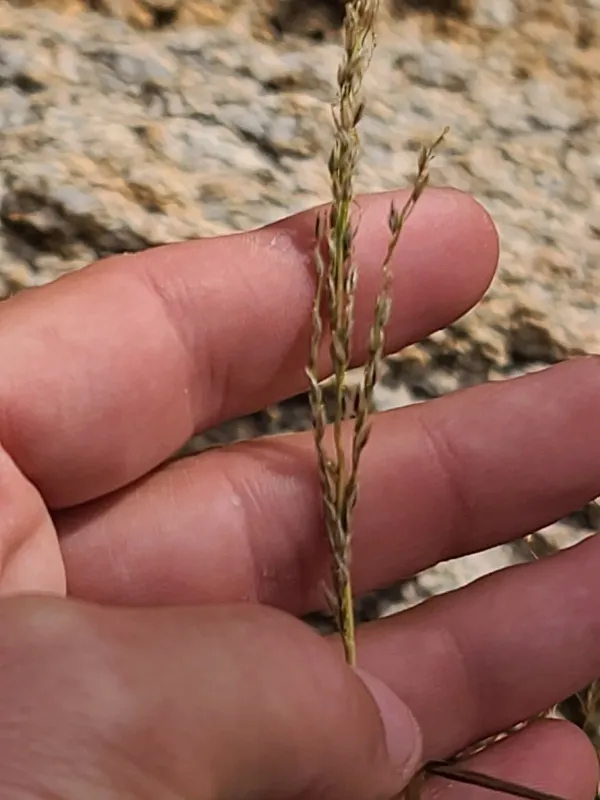
Description
Growing requirements
Arizona cottontop (Digitaria californica) is a perennial bunchgrass belonging to the Poaceae family. It is highly regarded in rangeland management for its drought tolerance and its ability to provide high-quality forage in arid and semi-arid climates.
Native to the southwestern United States and parts of Mexico, this grass has adapted to survive in diverse soil types. Its range management value is significant, as it provides cover and food for livestock and native wildlife species.
Botanically, the plant is characterized by its distinct, silvery-white, feathery inflorescences, from which it gets its common name. The stems grow in tight clumps, and the foliage remains relatively palatable throughout the growing season.
In terms of environmental requirements, it thrives in well-drained soils and can withstand low-fertility conditions better than many other forage grasses. It is particularly well-suited for areas receiving moderate to low rainfall.
The primary agricultural use is as a grazing forage. It is a highly productive plant during the warm season and is considered an excellent component of permanent pastures in regions where water availability is the limiting factor.
Main diseases and pests
Arizona cottontop is generally resilient but can be affected by common grass pathogens such as rust fungi during periods of high humidity or excessive moisture. Proper site selection is the best preventative measure against these diseases.
Pests such as grasshoppers and various species of caterpillars can occasionally damage the foliage, especially in dry years when alternative forage is scarce. Integrated pest management techniques are recommended to maintain population balance.
Overgrazing is a major threat to the long-term health of the stand. Because it is a bunchgrass, if grazed too short, it loses its vigor and capacity for regrowth, allowing invasive weeds to outcompete it.
Strategic grazing management, including rotational grazing, is essential to protect the root systems and promote seed production. This helps in natural reseeding and ensures the sustainability of the pasture.
Monitoring for signs of root rot or crown damage is advised for managed pastures. Keeping the plants healthy through balanced soil nutrition and avoiding extreme grazing pressure keeps the crop resistant to most threats.