
Cotton Panic Grass
Digitaria brownii
Description
Sowing dates
Sowing should ideally occur when temperatures are consistently warm and moisture availability is expected to be optimal for germination.
The seeds are small and should be sown near the surface of the soil. Deep burial is discouraged as it prevents the seeds from accessing the light needed for germination.
Ensuring good soil-to-seed contact via light rolling after sowing significantly improves the success rate of pasture establishment.
Weed management prior to planting is essential, as young seedlings of Digitaria brownii grow slowly and can be easily outcompeted by aggressive weeds.
Proper density of sowing depends on the end goal, with higher densities typically utilized for hay production to maximize initial biomass output.
Growing requirements
Cotton Panic Grass (Digitaria brownii) is a perennial grass species belonging to the Poaceae family. It is recognized for its dense tufted growth habit and soft, hair-covered panicles.
Native to Australia, this plant is well-adapted to hot, arid climates and is prized for its ability to thrive under high temperatures and limited moisture conditions.
The ideal soil environment for this species consists of well-drained, sandy, or loamy substrates. It performs exceptionally well even on soils with low nutrient content.
Sunlight is a crucial requirement for the healthy development of this grass. It does not tolerate shade and requires open areas to reach its full production potential.
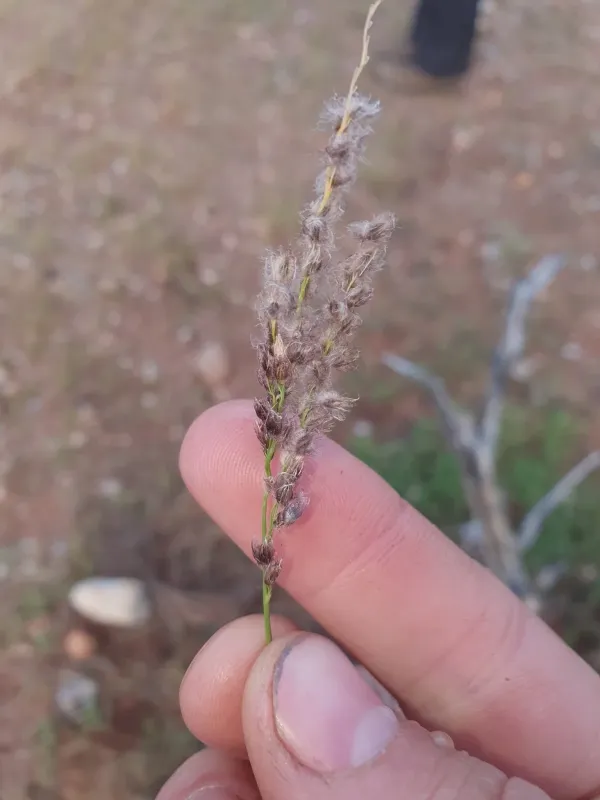
Biologically, the plant is distinguished by the silvery hairs on its inflorescence, which serve as an adaptive mechanism to manage heat stress and conserve moisture.
Yield
This grass is primarily used as high-quality forage for livestock, offering good nutritional value for grazing animals throughout the growing season.
The yield of green matter is climate-dependent, but the species is known for its remarkable persistence in drought conditions where other grasses might fail.
It is highly palatable to cattle and sheep, making it a reliable resource for maintaining healthy livestock herds in semi-arid regions.
The plant exhibits rapid regrowth after grazing, provided that the soil retains enough nutrients and the roots remain undisturbed.
Harvesting as hay is a viable option for surplus production, offering a reliable feed source during periods of low natural pasture productivity.
Main diseases and pests
The most significant threats to Digitaria brownii populations are waterlogging and excessive soil moisture, which lead to root rot and fungal decay.
Insect pests, such as aphids, can occasionally infest the foliage, particularly if the plant is stressed by extreme drought or nutritional deficiency.
Maintaining a healthy stand involves avoiding overgrazing, as this damages the plant's basal crown and reduces its ability to regenerate after defoliation.
Integrated pest management strategies are recommended, focusing on maintaining soil health and preventing water accumulation rather than using chemicals.
By ensuring optimal drainage and monitoring for early signs of fungal infection, growers can protect the productivity and longevity of the grass stand.