
Bicornate crabgrass
Digitaria bicornis
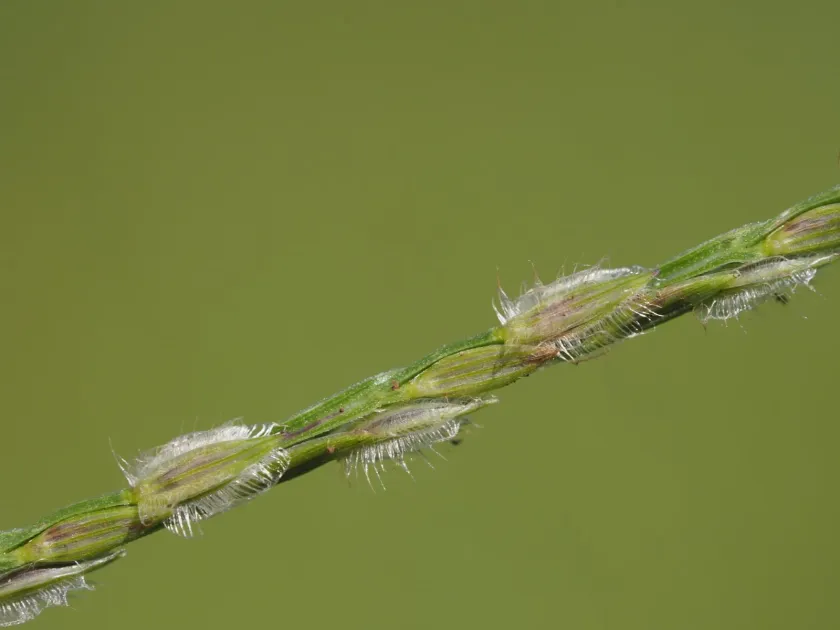
Description
Growing requirements
Bicornate crabgrass (Digitaria bicornis) is a member of the Poaceae family, widely recognized as an annual grass weed in various agricultural sectors. It originates from tropical and subtropical climates and has successfully naturalized in many regions across the globe, often infesting row crops.
The plant demonstrates a strong preference for sunny environments and well-drained soil profiles. It is particularly competitive in warm-season crops, where it takes advantage of high temperatures and moisture availability to outgrow slower-developing plants. Its morphology allows for rapid colonization of disturbed soils.
Agronomic control relies heavily on integrated weed management practices. This includes deep soil cultivation before planting to bury seeds and the application of pre-emergence herbicides to prevent germination. Crop rotation is also recommended to break the life cycle of this aggressive grassy weed.
For optimal management, farmers should monitor field edges and drainage ditches, as these areas often serve as reservoirs for the re-introduction of seeds. Timely intervention in the early vegetative stage is critical, as the plant develops an extensive root system that makes mechanical removal more difficult later.
While primarily considered a weed, this species has minimal historical use as a forage grass in certain subsistence farming systems. However, its uncontrolled spread usually results in significant yield losses in crops such as maize and cotton, making it a priority target for agricultural weed suppression programs.
Main diseases and pests
Common diseases affecting this species include leaf rusts and various blights typical of the Poaceae family. These pathogens can persist on the plant throughout the growing season, potentially spreading to more susceptible nearby crops if not monitored correctly during farm management.
Pests such as aphids, stem borers, and root-feeding larvae represent the main threats to the plant's health. Managing these pest populations within crabgrass patches is essential, as the weed often acts as a bridge for insect pests and viral pathogens to transition into primary commercial crops.