
Dicranum scottianum
Dicranum scottianum
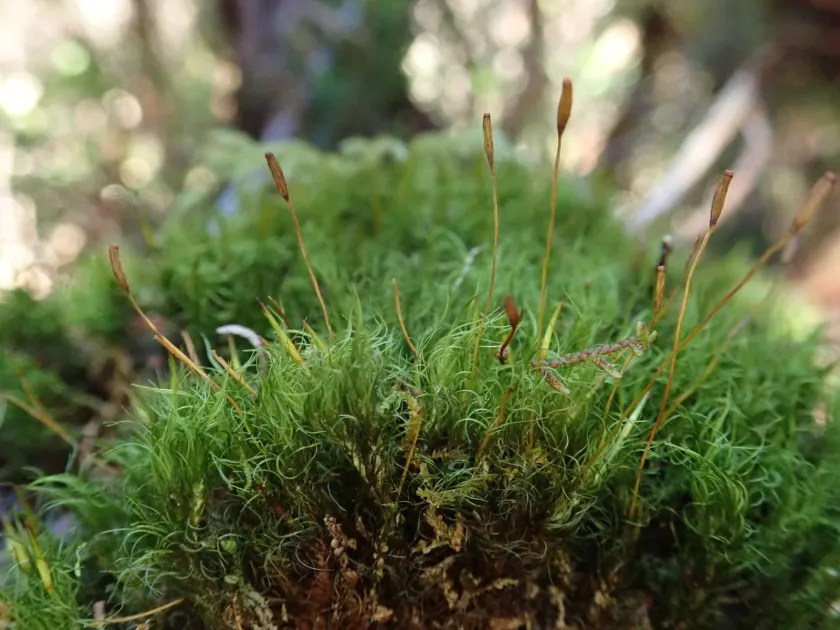
Description
Growing requirements
Dicranum scottianum is a moss species belonging to the Dicranaceae family. It is not an agricultural crop but is a significant component of the bryophyte flora in specific oceanic and temperate forest ecosystems.
This moss typically grows on rock crevices, cliffs, and sometimes at the base of old-growth trees in regions with high precipitation. Its biology is strictly tied to microclimates that provide consistent humidity and shade.
The geographical distribution of the species is centered in the Atlantic regions of Europe, including parts of the British Isles and western coastal areas. It thrives in environments where the air remains cool and damp throughout the year.
Botanically, it forms dense, tufted mats that act as water sponges for the micro-habitat. Its growth pattern is slow, reflecting the stability of the environment it inhabits, making it an excellent indicator of pristine air quality.
Conservation efforts for this species focus on preserving the humidity levels of its habitat and preventing the destruction of rock formations or forest stands where it occurs naturally.
Main diseases and pests
The primary threats to Dicranum scottianum populations include habitat destruction, such as deforestation and the clearance of rocky areas for infrastructure development.
Air pollution, particularly acid rain and nitrogen deposition, is a major factor limiting the survival of this moss, as it lacks a cuticle and absorbs nutrients directly from the air.
Climate change, manifesting as increased frequency and severity of droughts, forces the moss to stay in a desiccated state for longer periods, weakening its physiological functions.
Invasive plant species and encroaching scrubland can alter the light regime, shading out the moss and competing for the limited surface area on rocks or tree bark.
Direct damage through human activity, such as rock climbing or over-visitation of sensitive sites, poses a localized but significant risk to surviving colonies.