
Dicranum leioneuron
Dicranum leioneuron
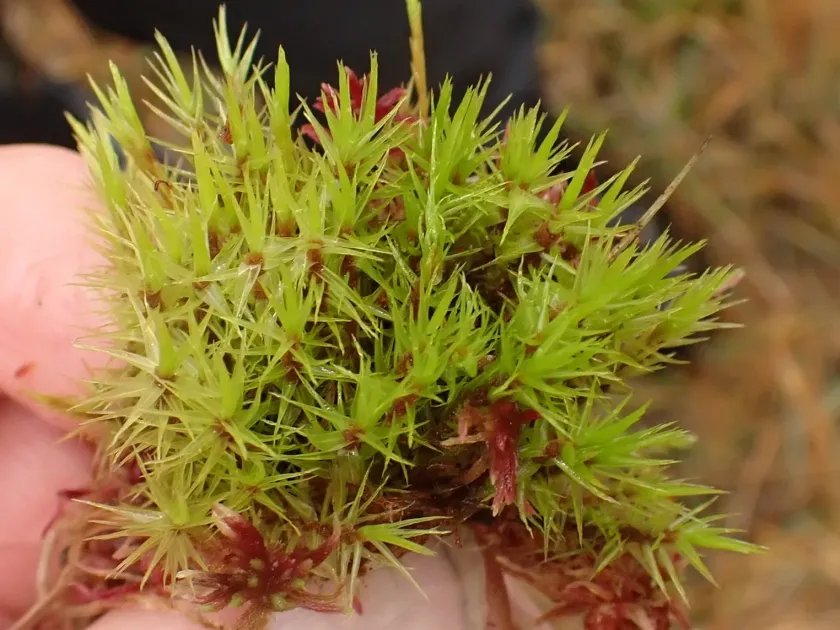
Description
Growing requirements
Dicranum leioneuron is a perennial moss species belonging to the Dicranaceae family. In environmental management and ecology, this species is recognized for its ability to maintain humidity and stabilize soil surfaces in moist, temperate habitats.
The plant thrives in acidic environments, typically found in bogs, fens, and humid coniferous woodlands. It is highly adapted to oligotrophic soils, meaning it requires minimal nutrient input to maintain its density and health.
The geographic range of this species extends across northern and temperate regions of the northern hemisphere. It is considered a characteristic component of the vegetation layer in peatlands and mature forest ecosystems.
Morphologically, the moss is identified by its narrow leaves and a smooth costa, which distinguishes it from other species of the genus Dicranum. It reproduces vegetatively, forming dense mats that store significant amounts of water.
In terms of practical utility, Dicranum leioneuron is primarily used in ecological restoration projects, particularly for repairing damaged peatlands and stabilizing soil against erosion in protected forest areas.
Main diseases and pests
Drainage of wetlands for agricultural or industrial development is the primary cause of habitat loss and the decline of Dicranum leioneuron populations.
Eutrophication caused by runoff from agricultural fields disrupts the nutrient balance of the soil, making the habitat unsuitable for this sensitive species.
Mechanical destruction of the moss mats caused by forestry machinery or human activity severely impairs the recovery of the colonies.
Climate change, which alters precipitation patterns and humidity levels in northern forests, poses a significant long-term risk to its distribution.
Competition from more aggressive, nitrogen-loving plant species in disturbed areas often leads to the displacement of Dicranum leioneuron from its natural habitats.