
Dicranum flexicaule
Dicranum flexicaule
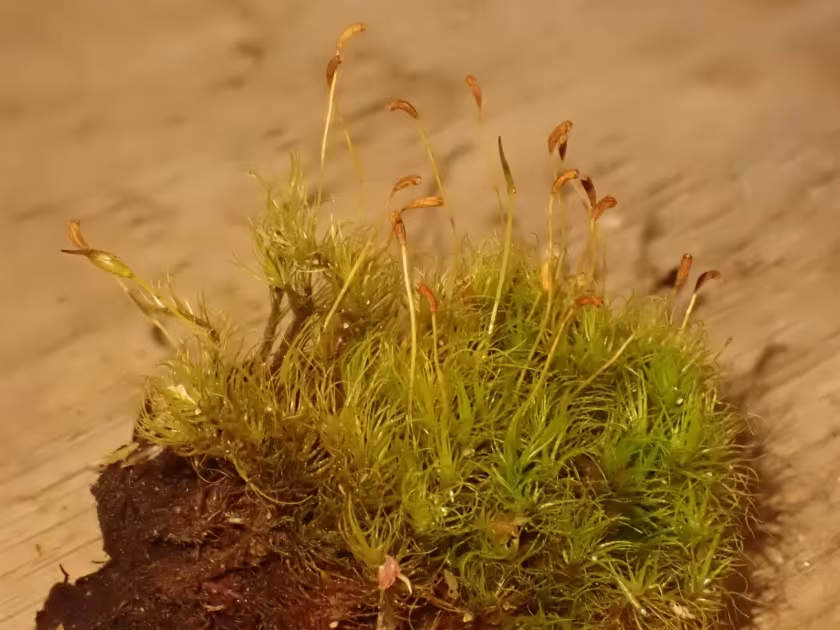
Description
Growing requirements
Dicranum flexicaule is a member of the Dicranaceae family. This bryophyte is naturally found in temperate forest ecosystems, often forming dense mats on acidic, well-draining organic substrates such as decaying wood or damp forest floors.
Environmental requirements for this species include high atmospheric humidity and consistent moisture levels. When cultivated, it is essential to ensure that the substrate remains damp but not waterlogged, as excessive water saturation can lead to the death of the lower parts of the gametophytes.
Soil requirements focus on acidity and organic content. Agricultural practice for this species involves using substrate mixtures based on sphagnum peat or specialized coniferous bark mixes, which provide the necessary pH range and structural stability for growth.
Light management is a critical aspect of its cultivation. The plant prefers shaded conditions or diffused light; exposure to direct, intense sunlight can cause immediate dehydration and bleaching of the chlorophyll in the shoots, leading to rapid deterioration of the colony.
The primary use of this moss is in decorative horticulture, specifically for creating moss gardens, vivariums, and terrariums. Additionally, it plays an important role in ecological monitoring and as a subject for physiological research in bryology.
Main diseases and pests
The main threats to the plant include fungal pathogens triggered by poor air circulation and excessive moisture. Furthermore, competition from invasive bryophytes or opportunistic algae can easily overrun a patch, significantly reducing the density and vitality of the Dicranum flexicaule colony.