
Dicranum polysetum
Dicranum polysetum
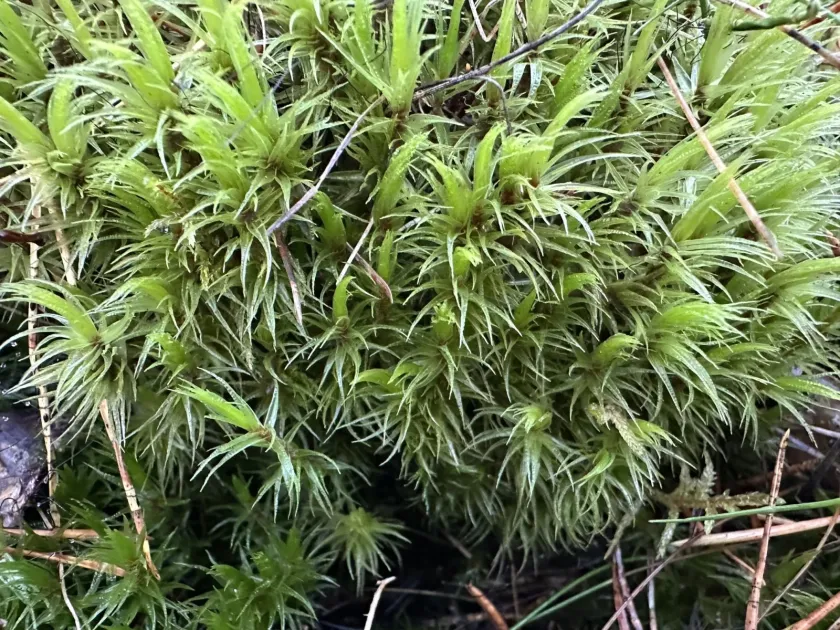
Description
Growing requirements
Dicranum polysetum, commonly known as broom moss, belongs to the Dicranaceae family. It is a robust moss species that forms extensive, dense mats in temperate forest environments, making it a popular choice for specialized gardening and terrarium setups.
The plant thrives in acidic, nutrient-rich environments. The ideal substrate should consist of decomposed forest debris, peat moss, and pine needles to mimic its natural habitat. Maintaining a soil pH between 4.5 and 5.5 is crucial for optimal development and coloration.
Humidity is the most vital factor for the survival of Dicranum polysetum. As a non-vascular plant, it relies on high atmospheric moisture levels. In greenhouse or indoor cultivation, misting systems or controlled humidity environments are necessary to prevent the moss from drying out.
Temperature management should focus on maintaining a cool to moderate climate. Ideally, temperatures should remain between 15°C and 20°C. High heat stress combined with low humidity can cause rapid browning and irreversible tissue damage to the moss colony.
Shade is essential, as direct sunlight can be detrimental to the moss's health. Dicranum polysetum is best suited for locations with filtered, diffused light. Excessive light exposure can disrupt the growth cycle and cause the lush green color to fade significantly.
Yield
In terms of production, the yield of Dicranum polysetum is measured by the density and surface area of the moss cover. A healthy mat provides a high-quality product for terrarium designers, floral artists, and restoration projects looking to stabilize soil surfaces.
Propagation is primarily vegetative. By dividing healthy mature colonies and placing them onto suitable substrates, growers can effectively scale up their production. Given sufficient moisture and ideal light, the moss spreads steadily, covering the available surface area.
Marketable quality is determined by the uniformity of the mat and the absence of debris. Growers prioritize keeping the area free of weeds and leaf litter to ensure that the final moss mats are of premium decorative quality for high-end applications.
The harvest cycle can be relatively fast under controlled conditions. Once a dense, uniform mat has formed, it can be harvested in segments. Proper handling during harvest ensures that the base of the moss remains intact, allowing for quicker regrowth in the production area.
Commercial cultivation often utilizes shallow trays with high moisture retention layers. This method allows for efficient handling, transport, and sale of the moss mats. Maintaining consistent hydration until delivery is critical for preserving the product's freshness and color.
Main diseases and pests
Fungal issues are the most significant threat to Dicranum polysetum, typically triggered by stagnant air and waterlogged conditions. To prevent mold growth, it is essential to ensure proper ventilation and drainage, avoiding the accumulation of standing water.
Pests such as mites and soil-dwelling larvae can infest moss colonies, especially in greenhouse environments. Regular inspection and the use of sterile growing media are standard practices to prevent these infestations and maintain the integrity of the moss mats.
Competitive weeds pose a constant threat to the moss cover. Vascular plants grow faster than moss and can easily outcompete it for nutrients and space. Manual weeding is often required to keep the production plots clean and the moss thriving without competition.
Chemical sensitivity is a major concern for this species. It is extremely intolerant to fertilizers, pesticides, and high-mineral water. Even trace amounts of synthetic chemicals can cause significant tissue necrosis, leading to patches of dead or discolored moss.
Improper temperature fluctuations or prolonged exposure to dry air can force the moss into a state of dormancy or kill the colony entirely. Consistent monitoring and environmental control are the most effective strategies for mitigating these external risks to the culture.