
Dicranum scoparium
Dicranum scoparium
Description
Growing requirements
Dicranum scoparium, commonly known as broom moss, is a perennial moss species belonging to the Dicranaceae family. While not a conventional agricultural crop, it is commercially grown for landscaping, terrariums, and eco-restoration projects.
The native range of this moss spans across the Northern Hemisphere, inhabiting temperate forests. It thrives in shaded, moist environments, often colonizing decaying logs, tree bases, and acidic soil patches.
Successful cultivation requires an acidic substrate with a pH between 4.0 and 5.5. The species is highly sensitive to direct sunlight, requiring partial to deep shade and high atmospheric humidity to remain viable.
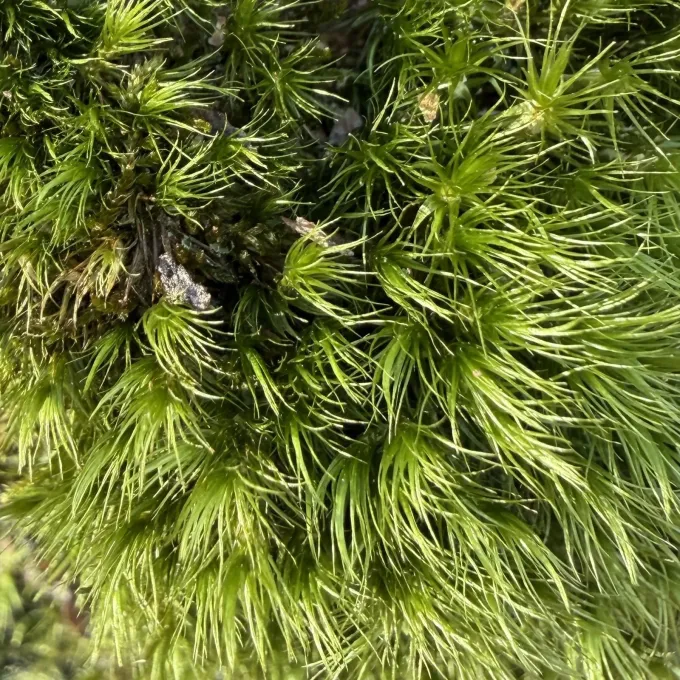
Botanically, this species is defined by its dense, cushion-like growth form. The stems can reach up to 10 centimeters in length, and the leaves are notably falcate (curved like a sickle), giving the plant its distinctive "broom" appearance.
Agrotechnical management relies on vegetative propagation. Division of mature patches allows for rapid expansion. Irrigation must be careful; the substrate should remain consistently damp, but waterlogging must be avoided to ensure proper aeration for the rhizoids.
Main diseases and pests
Air pollution, particularly high levels of sulfur dioxide, is the primary threat to the stability of Dicranum scoparium populations. As a bioindicator, the moss is extremely sensitive to atmospheric chemical shifts.
Under controlled conditions, mold development is the most common pathology. Inadequate ventilation combined with high moisture levels often results in the decay of the lower stem structure.
While insect infestations are relatively rare, low humidity can invite spider mites. Regular misting with distilled or soft water is recommended to prevent stress and keep the colony clean.
Competition from invasive vascular plants can quickly overtake moss patches. Routine manual weeding is essential to maintain the purity and density of the moss carpet in a nursery setting.
Chemical fertilizers intended for ornamental plants are generally toxic to mosses. Any increase in soil alkalinity or nitrogen concentrations will likely lead to the rapid decline and death of the culture.
Harvesting
The economic value of Dicranum scoparium is primarily focused on the horticultural market, where it is used for aesthetic ground coverage in gardens and indoor terrarium setups.
Harvesting is performed manually to preserve the health of the colony. Sustainable practices in professional nurseries involve partial harvesting, allowing the remaining moss to regenerate within a single growing season.
Storage and transportation require humidity-controlled containers. Exposure to dry air or excessive temperatures can lead to rapid desiccation and browning, significantly lowering the market value of the product.
Nurseries often utilize specialized growing media consisting of pine needles, decomposed wood, and peat moss to replicate the natural forest floor conditions necessary for healthy growth.
For long-term storage, the moss should be kept at temperatures between 5°C and 15°C with ambient humidity levels maintained at approximately 70-80% to ensure the plant stays fresh.