
Deuterocohnia scapigera
Deuterocohnia scapigera
Description
Growing requirements
Deuterocohnia scapigera is a resilient perennial plant belonging to the Bromeliaceae family. Native to the high-altitude regions of Argentina and South America, it has evolved to thrive in harsh, rocky environments where few other plants can survive.
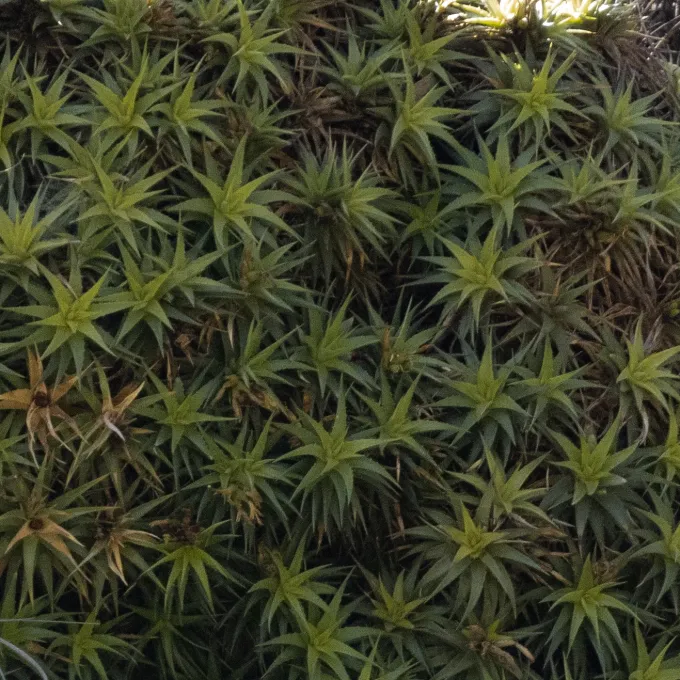
The plant exhibits a distinct cushion-forming growth habit with stiff, sharp-pointed leaves arranged in tight, compact rosettes. These leaves are succulent in nature, allowing the plant to store water efficiently to endure prolonged dry spells common in its natural habitat.
For successful cultivation, the plant requires an extremely well-draining, mineral-based substrate. Gardeners often use mixtures of pumice, grit, and sandy loam to prevent water accumulation, which is the primary cause of decline in this species.
Climate requirements involve high light intensity and excellent air ventilation. It is a heliophilic species, meaning it requires full exposure to the sun to maintain its structural integrity and prevent the foliage from stretching or losing its color.
In terms of usage, Deuterocohnia scapigera is highly sought after by succulent collectors and landscape architects specializing in xeric gardens. Its ability to create long-lasting, geometric ground cover makes it an excellent choice for arid-climate landscaping projects.
Main diseases and pests
The primary health threat to this culture is fungal infection induced by poor drainage or excessive humidity. Rotting of the inner crown is a significant risk, particularly during periods of low temperature combined with high atmospheric moisture.
Pest management should focus on common succulent predators like mealybugs and spider mites. These pests thrive in dry environments and can infest the tight crevices between the leaves, often requiring careful manual cleaning or the application of specialized systemic insecticides.