
Deuterocohnia longipetala
Deuterocohnia longipetala
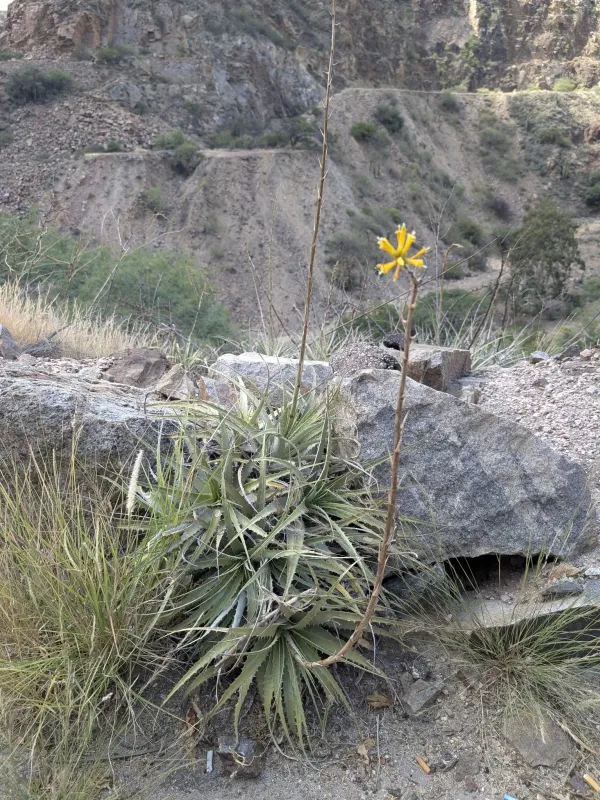
Description
Growing requirements
Deuterocohnia longipetala is a fascinating perennial species belonging to the Bromeliaceae family. Unlike many epiphytic bromeliads, this species is a terrestrial succulent, adapted to harsh, arid environments where water storage is essential for survival.
Native to South America, specifically the high-altitude and rocky regions of Peru and Argentina, it thrives in environments characterized by thin soils, high levels of solar exposure, and significant temperature fluctuations between day and night.
Cultivation requires a substrate that mimics its natural stony habitat. A mixture of gravel, pumice, and coarse sand provides the necessary drainage required to prevent root rot. Heavy or peat-based soils must be strictly avoided.
The plant demands high light intensity to maintain its characteristic compact, rosette shape. Without adequate sunlight, the plant will become etiolated, losing both its aesthetic value and its structural resilience against pathogens.
Watering should be approached with extreme caution, particularly during the dormant season. The plant should be kept almost completely dry during winter months, allowing the soil to remain arid until the active growing season begins in spring.
Main diseases and pests
The most significant threat to Deuterocohnia longipetala is overwatering, which quickly leads to root rot and collar rot. Once the base of the rosette begins to soften or turn dark, recovery is often difficult or impossible.
Mealybugs are the primary pest concern for this species. They often settle deep within the dense, succulent leaves, making them difficult to detect and eradicate without the use of systemic insecticides or careful manual cleaning.
Fungal infections can develop if there is insufficient air circulation around the plant. High humidity combined with poor ventilation creates the perfect environment for mold growth, particularly at the junction of the leaves and stem.
Over-fertilization with nitrogen-rich products can induce weak, succulent growth that is highly attractive to pests and prone to physical damage. A balanced, low-concentration fertilizer used only during peak growth is recommended.
Mechanical injuries, such as broken leaves or stems, should be allowed to callus over before any moisture is applied to the area. Open wounds are primary entry points for pathogens and can lead to rapid decay of the entire rosette.