
Dancy mandarin
Citrus tangerina Tanaka
Description
Growing requirements
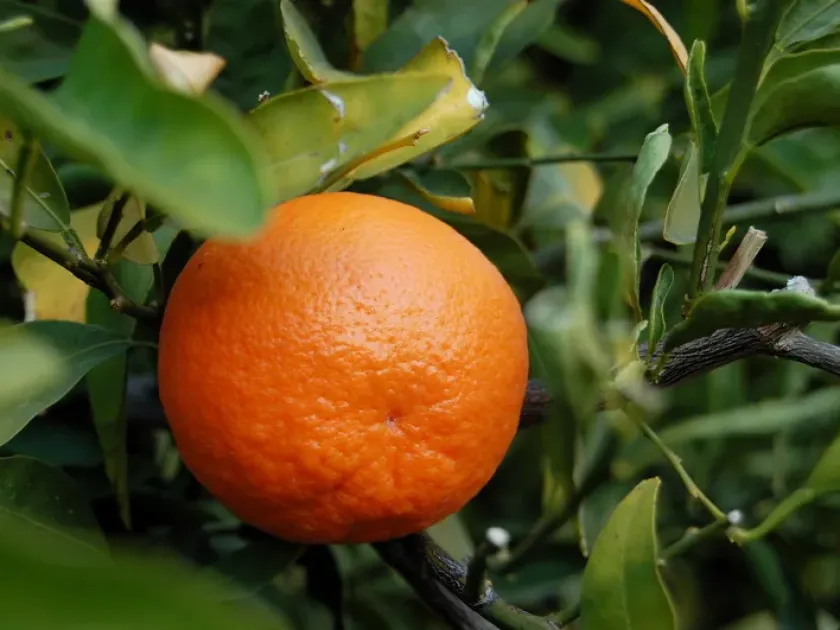
The Dancy mandarin (Citrus tangerina Tanaka) belongs to the Rutaceae family and is recognized as one of the most commercially significant mandarin varieties historically. The tree is characterized by its vigorous growth, dense evergreen foliage, and slender, flexible branches that often require support when heavily laden with fruit.
This crop thrives in warm, humid subtropical climates and is highly sensitive to cold weather. Sustained temperatures between 22 and 28 degrees Celsius are ideal for vegetative growth, while cold snaps can lead to leaf drop, damage to twigs, and overall reduced health of the citrus tree.
Soil conditions should prioritize high fertility and excellent drainage. The Dancy mandarin is particularly susceptible to root rot if waterlogged, making light, loamy soil with a slightly acidic pH level the preferred medium for professional orchard management.
Agrotechnical practices include consistent irrigation regimes and balanced fertilization programs. During the growing season, applying nitrogen-rich fertilizers promotes healthy canopy development, while phosphorus and potassium applications are essential for ensuring high-quality fruit production.
Pruning is a fundamental aspect of Dancy mandarin care, typically performed to maintain an open canopy structure. This ensures adequate sunlight penetration to the inner branches, which enhances fruit size and improves the air circulation necessary to prevent foliage diseases.
Yield
Dancy mandarins are known for their prolific fruiting ability, often producing large quantities of fruit if trees are well-maintained. The fruit is typically small to medium-sized, with a loose, easily peelable skin that is a hallmark of this specific variety.
To ensure high annual yields, growers often employ thinning techniques to prevent the tree from becoming over-burdened during heavy harvest years. This strategy helps maintain long-term tree vigor and prevents the biennial bearing cycle common in citrus species.
Main diseases and pests
Citrus pests such as aphids, mites, and scale insects are the primary threats to the health of Dancy mandarin trees. Integrated pest management strategies, including biological controls and timely application of targeted insecticides, are crucial for protecting the orchard.
Fungal pathogens like anthracnose and various root rot fungi represent significant risks, especially in regions with high rainfall. Maintaining good orchard hygiene and ensuring proper spacing between trees are effective measures to mitigate the risk of disease spread.
Harvesting
Harvesting begins when the fruit achieves the desired color intensity and flavor profile. Because Dancy mandarin skins are very thin and delicate, they must be clipped from the branch by hand to prevent tearing the peel, which ensures the fruit remains viable for market distribution.