
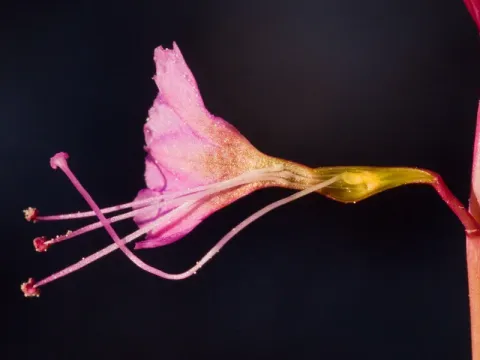
Cyphomeris
Cyphomeris
Cyphomeris belongs to the Nyctaginaceae family and is a herbaceous perennial known for its resilience in challenging environmental conditions.
What the section contains

Cyphomeris
Sowing should be initiated in the early spring using stratified seeds to ensure uniform germination, as the seeds often exhibit natural dormancy.
Maintaining a stable temperature of approximately 20–22 degrees Celsius is essential for the successful establishment of young seedlings during the first growth phase.
The planting depth should be carefully controlled to prevent the seeds from drying out while ensuring they have enough soil contact for moisture absorption.
In field production, spacing is determined by the expected growth rate of the root system, which requires sufficient space to avoid competition between plants.
The crop thrives in well-drained, sandy-loam soils and is highly sensitive to waterlogged conditions, which can lead to rapid root deterioration.
High levels of solar radiation are required for optimal physiological development, as the plant is adapted to sunny, arid environments.
Soil pH levels should ideally be maintained between 6.5 and 7.5 to ensure maximum nutrient availability for the plant's metabolic processes.
The plant demonstrates significant drought tolerance, reducing the need for intensive irrigation compared to other commercial crops in the same family.
Fertilization regimes should focus on a balanced NPK approach, emphasizing potassium to support the development of fleshy, moisture-storing organs.
Root rot caused by fungal pathogens remains the primary risk factor, especially during periods of excessive rainfall or poor field drainage management.
Spider mites are a frequent concern in greenhouse environments, particularly when the ambient air humidity falls below the required threshold.
Poor ventilation within the canopy can lead to the development of powdery mildew, which can significantly impair the photosynthetic capacity of the leaves.
Integrated pest management strategies are recommended, combining mechanical weed control with periodic inspections for early detection of insect populations.
Regular monitoring of plant vigor and foliage color serves as the first line of defense against both nutritional deficiencies and emerging biological threats.