
Cyphomeris gypsophiloides
Cyphomeris gypsophiloides
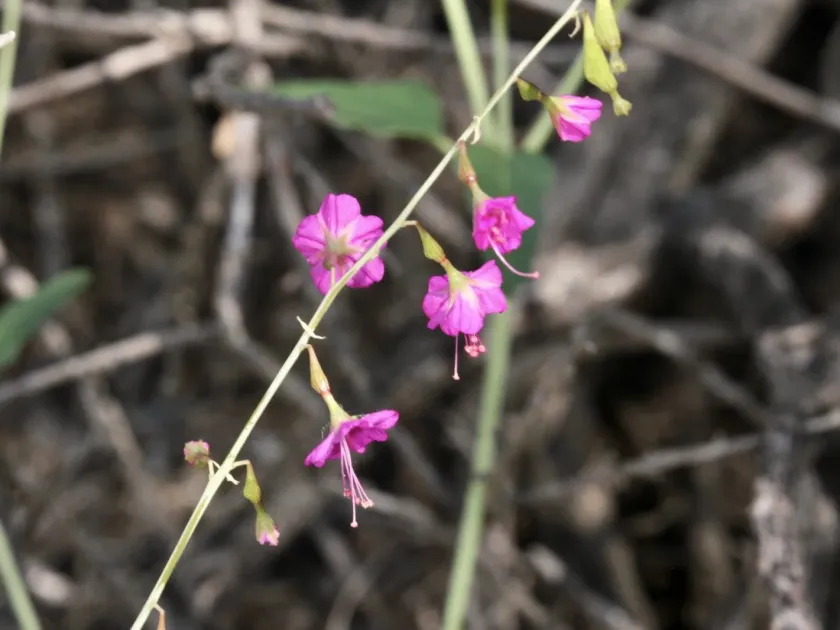
Description
Growing requirements
Cyphomeris gypsophiloides is a perennial herbaceous plant belonging to the Nyctaginaceae family. It is characterized by its specific adaptation to xeric environments, featuring deep root structures and resilient vegetative parts capable of thriving in harsh climates.
The native range of this species is primarily focused on the arid regions of North America, including parts of the southwestern United States and Mexico. It is typically found in dry, stony, or sandy habitats, showcasing high resilience to extreme sunlight.
Climatic requirements involve a preference for high heat indices and low ambient humidity. It is not suitable for cultivation in tropical zones with high annual rainfall, as its survival strategy is strictly tied to water conservation rather than water utilization.
Soil conditions are critical for successful growth. The substrate must be highly permeable, preferably consisting of gravel, sand, or light loam. Soil pH should ideally be neutral or slightly alkaline, mimicking the natural conditions of its primary habitat.
Agricultural management should prioritize minimal irrigation. During the initial stages of establishment, supplemental watering is allowed, but once the root system is developed, the crop should be essentially self-sustaining regarding moisture needs.
Main diseases and pests
The primary threats to Cyphomeris gypsophiloides are associated with root zone diseases. Overwatering is the most significant risk factor, as it creates an environment conducive to pythium and phytophthora species, leading to root decay.
Insect pests include sucking insects like spider mites and aphids, which may target the foliage during periods of environmental stress. Implementing integrated pest management (IPM) strategies is recommended to keep pest populations below damaging levels.
Fungal leaf spots can occur if the humidity around the canopy remains consistently high. To mitigate this, proper plant spacing and ensuring good airflow within the fields are essential management practices for commercial cultivation.
Competition from invasive weeds can stifle the growth of the crop, as it does not possess a high canopy volume to suppress secondary vegetation. Regular mechanical weeding is necessary to preserve the nutrient and space resources for the main crop.
Environmental stress management is key to preventing secondary infections. Maintaining soil structure and avoiding compaction around the root zone helps in sustaining the plant's natural immune response against opportunistic pathogens.