
Cut-leaf daisy
Brachyscome multifida DC.
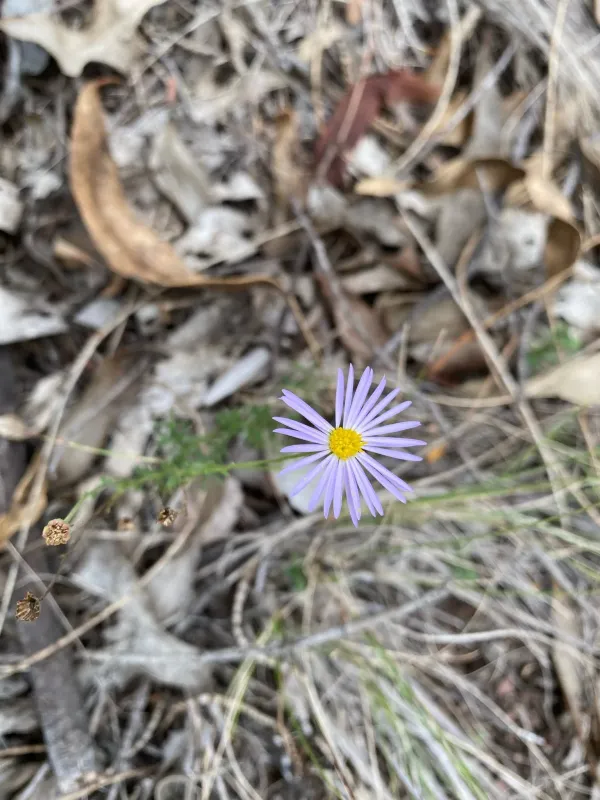
Description
Sowing dates
Seeds of Brachyscome multifida are typically sown indoors during early spring, around March or April, to ensure a head start on the growing season.
A well-draining, lightweight potting mix is essential. The seeds should be lightly covered with fine soil and kept in a warm, bright environment.
Germination usually takes between one to two weeks. Once seedlings develop their first true leaves, they should be transplanted into individual small pots.
Hardening off the seedlings is a crucial step before moving them to their permanent location outdoors once all danger of frost has passed.
When planting in the garden, allow sufficient space between plants, generally 20 to 25 centimeters, to facilitate healthy airflow and root development.
Growing requirements
Brachyscome multifida belongs to the Asteraceae family and is native to Australia, where it thrives in diverse open-ground conditions.
This species requires full sun to produce its signature profuse display of daisy-like flowers throughout the spring, summer, and autumn months.
The plant performs best in sandy or rocky soils with excellent drainage. It is highly intolerant of waterlogged soil, which can rapidly lead to root decay.
As a drought-tolerant species once established, it requires only moderate watering during dry spells. Overwatering is the most common cause of failure in cultivation.
Regular light pruning or pinching back stems can encourage a bushier growth habit and extend the blooming period by stimulating fresh flower buds.
Main diseases and pests
Root rot is the primary physiological threat to the cut-leaf daisy, usually resulting from excessive moisture or poor drainage in the planting area.
Slugs and snails are frequent pests that can cause significant damage to young plants, particularly in humid and cool growing conditions.
Aphids may occasionally infest the tender new growth, which can lead to distorted leaves and a reduction in the overall flower quality.
Good garden hygiene, such as removing debris and ensuring proper plant spacing, helps to mitigate the risk of fungal infections and pest outbreaks.
In case of pest presence, manual removal or the application of appropriate organic insecticidal soaps can be used to control the population effectively.