
Swan River daisy
Brachyscome iberidifolia Benth.
Description
Sowing dates
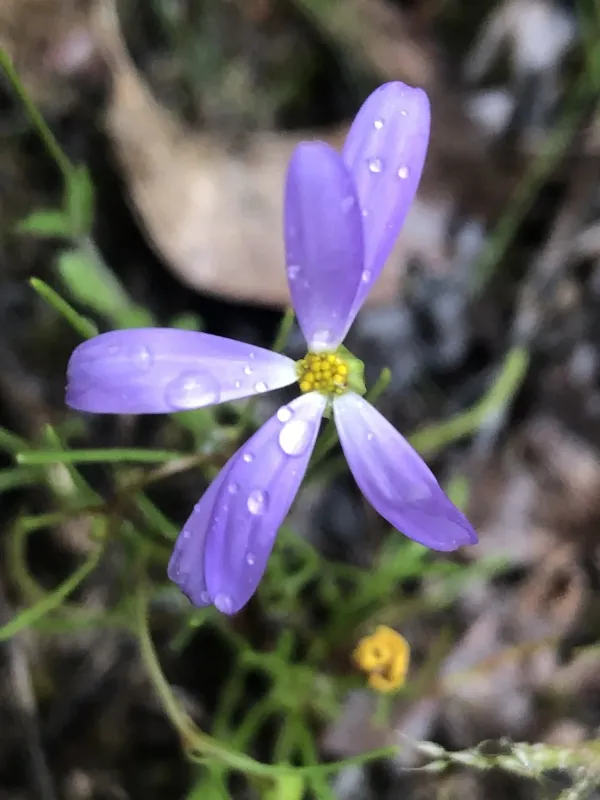
Brachyscome iberidifolia, commonly known as the Swan River daisy, belongs to the Asteraceae family and is widely grown as a delicate annual ornamental plant.
Seed sowing for greenhouse starters should begin in late winter or early spring, using a light, well-draining seed-starting mix to ensure successful germination.
Seedlings should be kept in a bright, warm environment with temperatures around 20 degrees Celsius, and pricked out once they develop their first set of true leaves.
Transplanting into the garden should only take place after the last spring frost date has safely passed, as the plants are sensitive to low temperatures.
When sowing directly into the ground, seeds should be scattered thinly over the surface, as they require light to germinate effectively, and kept moist until established.
Growing requirements
This species thrives in full sun, which is essential for maximizing flower production and maintaining the compact, bushy habit of the plant.
Soil conditions must be sandy or loamy and possess excellent drainage; the Swan River daisy will fail in waterlogged conditions, which lead to rapid root decay.
While the plant shows notable drought tolerance once established, consistent moisture during the blooming season is required to ensure a continuous display of flowers.
A balanced, water-soluble fertilizer applied at half-strength every few weeks during the growing season will support vigorous growth without encouraging excessive foliage.
Regular deadheading of spent blossoms is highly recommended, as this practice prevents the plant from setting seed and encourages a secondary wave of flowering.
Main diseases and pests
Overwatering and poor soil aeration are the primary environmental threats to this crop, leading to crown rot and various fungal wilt diseases.
In humid or stagnant air conditions, plants are susceptible to powdery mildew, which manifests as a white, dusty coating on the foliage and inhibits healthy development.
Pests such as aphids and whiteflies can frequently infest the tender stems and buds, significantly weakening the plant and reducing the quality of its flowers.
Integrated pest management, including regular inspection and the use of insecticidal soaps, is essential for controlling outbreaks before they affect the entire garden.
Proper spacing between plants is crucial for air circulation, which significantly reduces the likelihood of both pest infestations and fungal pathogen development.