
Brachyscome hybrid
Brachyscome formosa x B. segmentosa
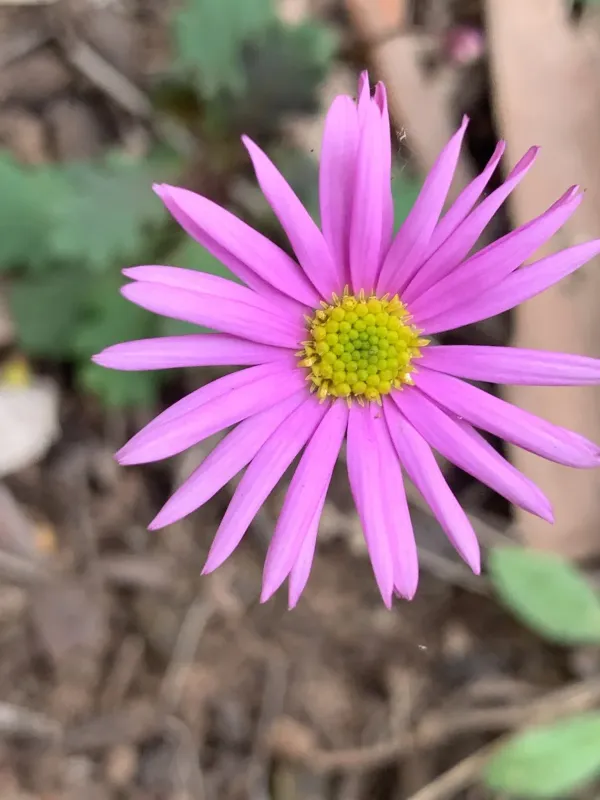
Description
Sowing dates
Brachyscome hybrid is best propagated by sowing seeds in late winter or early spring. Given the small size of the seeds, they should be sown on the surface of a light, well-draining soil mix without covering them too deeply.
Maintaining a temperature between 18–20 degrees Celsius is essential for optimal germination. Covering the seed tray with plastic or glass helps to maintain the necessary humidity levels, which is vital during the early stages of plant development.
Once the seedlings have emerged, it is important to provide sufficient light to prevent them from becoming leggy. Gradual acclimation to lower humidity levels should be initiated shortly after the first true leaves appear.
Pricking out the seedlings into individual containers allows for stronger root system development. This preparation is crucial before transplanting the plants to their final outdoor positions after the frost risk has completely vanished.
The spacing of seedlings in the flowerbed should be carefully managed to ensure good air circulation. Proper spacing prevents overcrowding, which is a common cause of humidity-related issues in this species.
Growing requirements
Belonging to the Asteraceae family, the hybrid Brachyscome thrives in full sun exposure. It requires bright, direct sunlight to achieve the abundant flowering for which it is highly valued in landscape design.
The soil should be fertile, loose, and possess excellent drainage properties. While it can adapt to various types of garden soil, it performs best in slightly acidic to neutral sandy loams that do not retain excess water.
Regular, controlled watering is necessary to keep the soil consistently moist but never waterlogged. Overwatering is the most frequent cause of root decay in this culture, especially during periods of high humidity.
Monthly fertilization with a balanced, water-soluble fertilizer specifically designed for flowering plants supports continuous bloom. Avoid high nitrogen levels, as this encourages vegetative growth over floral production.
This plant is best suited for temperate climates. It manages heat well but appreciates good airflow to keep the plant canopy dry and reduce the stress caused by extreme temperature fluctuations.
Main diseases and pests
The main pests affecting Brachyscome are aphids and whiteflies. These insects cluster on the undersides of leaves and on young stems, draining plant sap and causing stunted growth and yellowing of the foliage.
Fungal pathogens such as gray mold or root rot can occur if the plants are kept in poor drainage conditions or if the foliage remains wet for extended periods. Sanitation in the garden is essential to reduce these risks.
Integrated pest management, including the use of insecticidal soaps or neem oil, is effective for controlling minor infestations. Regular monitoring of the plants allows for prompt intervention before a major outbreak occurs.
Improving drainage and ensuring that plants are not overcrowded are the best preventative measures against soil-borne diseases. Avoiding overhead watering in the late afternoon also helps keep the foliage dry overnight.
If plants show signs of severe stress or widespread infection, it is recommended to remove them from the garden to protect neighboring flowers. Clean tools after any pruning or maintenance work to prevent contamination.
Harvesting
As an ornamental plant, Brachyscome hybrid is not harvested for agricultural yield. Maintenance tasks center on deadheading, which involves removing faded flowers to redirect the plant's energy towards producing new buds.
For gardeners interested in collecting seeds, it is important to note that many modern hybrids do not breed true from seeds. Only healthy, vigorous plants should be selected for the purpose of seed production.
Seed heads should be left to mature on the plant until they are completely brown and dry. Once the heads begin to open, they can be collected and placed in a dry environment to complete the drying process.
Seeds should be stored in a cool, dry, and dark location in paper envelopes to maintain their viability. Proper storage is necessary because the longevity of these seeds is relatively short compared to other annuals.
At the end of the growing season, plants should be cleared from the soil. Composting dead material is only advisable if the plants were completely disease-free, otherwise, disposal via other waste streams is preferred.