
Brachyscome
Brachyscome ascendens x curvicarpa
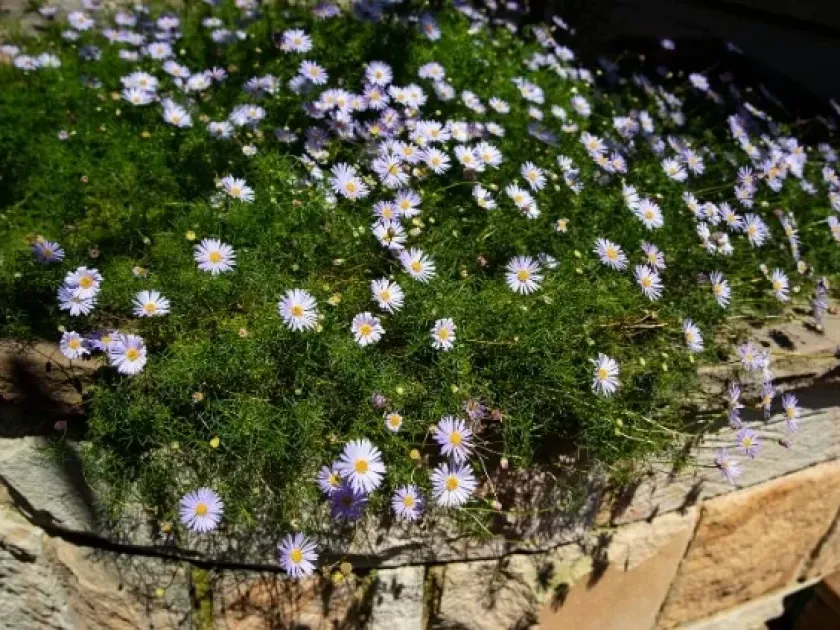
Description
Sowing dates
Sowing Brachyscome seeds is typically initiated in late March or early April to ensure robust seedlings for the summer season. The seeds are extremely fine and should be surface-sown onto a damp, well-draining potting medium without deep burial.
For successful germination, a consistent temperature range of 20–22 degrees Celsius is required. Sufficient light exposure is essential immediately after sowing to prevent the seedlings from becoming leggy or weak during the early growth phase.
Seedlings should be pricked out into individual pots once the first two true leaves have fully developed. Using a light, peat-based or sandy substrate during this stage facilitates healthy root development and easier transplantation.
Hardening off the plants is a mandatory step before transferring them to the outdoor garden. This process allows the young plants to adjust to outdoor air temperatures, wind conditions, and direct sunlight, reducing post-planting stress.
Transplanting into the permanent garden site should only occur after all risk of frost has passed. Spacing is crucial for mature plants, generally requiring at least 20–25 centimeters of room to thrive in summer conditions.
Growing requirements
Brachyscome is a highly heliophilic plant that demands a full sun location to maximize flower production. Shaded areas will cause the plant to stretch and significantly diminish the overall intensity of its blooming period.
The plant thrives in light, fertile, and well-draining soil conditions. It is particularly sensitive to waterlogging, making it essential to improve drainage in heavy clay-based soils to prevent root decay during wet seasons.
Watering should be performed regularly but in moderation, allowing the top layer of the soil to dry slightly between sessions. Excessive moisture around the crown can lead to fungal issues and decline in plant health.
Fertilization with a balanced mineral solution, low in nitrogen, is recommended throughout the active growing season. An emphasis on phosphorus and potassium encourages long-lasting and more vibrant floral displays.
Deadheading spent flowers is a key maintenance task that prevents seed formation and encourages the plant to produce a continuous flush of new blooms. Regular pruning helps maintain a neat and dense habit throughout the summer.
Main diseases and pests
The most common threat to Brachyscome health is the onset of root or stem rot, primarily driven by excessive soil moisture. Proper drainage and cautious watering remain the best defenses against these soil-borne pathogens.
Aphids and whiteflies are potential insect pests that can damage the foliage by feeding on plant sap. Early detection through regular monitoring and the use of insecticidal soaps or systemic treatments can manage these infestations.
During periods of intense dry weather, spider mites may appear, especially on the undersides of leaves. Regular light misting of the plants and maintaining appropriate moisture levels can help deter these small pests.
Gastropods such as slugs and snails are attracted to young foliage and can be particularly destructive in damp garden environments. Barrier methods or approved slug control agents are recommended to preserve plant integrity.
Maintaining a clean garden bed by removing weeds and ensuring adequate air circulation prevents the buildup of humidity. A well-ventilated space is essential to keep the plant vigorous and resistant to typical environmental stress.