
Brachyscome formosa
Brachyscome formosa
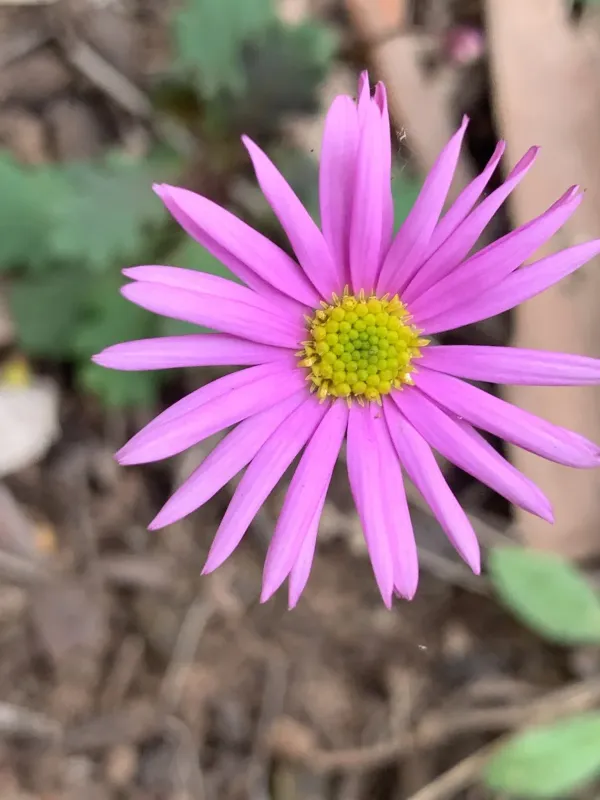
Description
Sowing dates
Sowing Brachyscome formosa seeds is typically done from late February to March. This timing ensures that seedlings have sufficient time to develop strong roots before the transplanting phase.
The seeds are exceptionally small and should be sown on the surface of the growing medium without covering them with soil. Gently pressing them into the surface is enough to ensure soil contact for germination.
Consistent temperatures around 20–22 degrees Celsius are optimal for high germination rates. Using a cover to maintain humidity is recommended during the initial stage until the first true leaves appear.
Pricking out the seedlings into individual pots is necessary once the plants are strong enough to handle. This stage is crucial for developing a balanced root system, ensuring the plant thrives after transplantation.
Transplanting into the permanent garden site should occur only after the danger of frost has passed. Hardening off the plants for a week before moving them outdoors is a vital step for stress reduction.
Growing requirements
Brachyscome formosa is a member of the Asteraceae family, native to Australia. It is highly valued as an ornamental plant that thrives in full sun, requiring bright, direct light for optimal blooming.
The soil must be well-draining and sandy or loamy in structure. It does not tolerate heavy or waterlogged soils, which quickly lead to root rot and other physiological issues related to moisture stress.
This species is relatively drought-tolerant once established, making it a great option for rock gardens or balcony containers. Regular watering is only necessary during extended dry periods to maintain flower production.
Balanced fertilizers with low nitrogen content are recommended for feeding. High nitrogen levels tend to promote excessive foliage growth, which inhibits the plant's ability to produce vibrant daisy-like flowers.
Deadheading faded blossoms is an essential maintenance task. By removing spent flowers, gardeners can encourage the plant to divert its energy into producing new buds, extending the flowering season.
Main diseases and pests
Slugs and snails are the primary pests that damage the foliage of Brachyscome formosa, especially in humid or damp conditions. Using copper tape or physical barriers can effectively protect the plants.
Powdery mildew can occur if airflow is poor and humidity levels remain consistently high. Proper spacing between plants is the best preventative measure to maintain healthy foliage and stems.
Aphids might infest tender stems during the early growth stages, sucking plant juices and weakening the specimen. Early detection and application of organic insecticidal soaps are usually effective controls.
Root rot, driven by excessive moisture and poor drainage, is the most common physiological threat. Ensuring the potting mix or soil is light and airy will prevent these conditions from developing.
- Monitor for early signs of pest infestations weekly.
- Maintain adequate spacing to allow for natural air circulation.
- Remove any withered or decaying plant parts immediately to prevent disease spread.