
Crocosmia pottsii
Crocosmia pottsii (Baker) N. E. Br.
Description
Growing requirements
Crocosmia pottsii is a perennial cormous plant belonging to the Iridaceae family. Native to the wetlands and riverbanks of South Africa, it is a key species known for its hardiness compared to many garden hybrids, though it still requires specific environmental conditions to thrive.
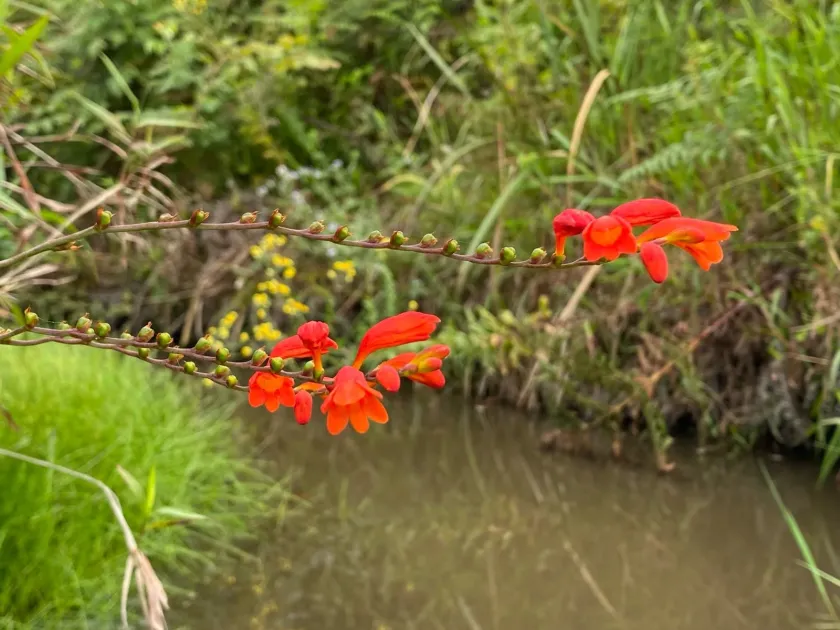
The plant features arching stems and attractive, often funnel-shaped flowers. In a horticultural context, it performs best in moisture-retentive, fertile, and well-drained soils. Ensuring good soil structure is critical to prevent waterlogging, which is detrimental to the corm health.
Regarding climate, Crocosmia pottsii prefers sunny locations but benefits from light shade in regions with extremely hot summers. It requires consistent soil moisture during the growing season, which can be achieved through regular watering and the application of organic mulch.
The agronomic management includes fertilization with balanced NPK formulas to support robust vegetative growth and flower production. Deadheading spent flowers helps redirect energy back into the corms, promoting better survival and division for the following year.
Winter care is essential in cooler climates. Mulching the crown of the plant with straw or organic debris protects the corms from deep soil freezing, ensuring the plant returns with vigor in the spring after the dormant period.
Main diseases and pests
The most common disease threats to Crocosmia pottsii are fungal infections, particularly botrytis and fusarium wilt. These pathogens often emerge when environmental humidity is high and soil drainage is poor, leading to premature decay of the corms and foliage.
Virus-related issues such as mosaic disease can lead to mottled leaves and stunted growth. Because these viruses are often spread by sap-sucking insects, controlling the vectors is a fundamental aspect of maintaining a healthy planting bed.
Spider mites represent a frequent pest challenge, especially during prolonged dry and hot weather. They congregate on the undersides of leaves, causing a stippled appearance and eventual leaf drop, which weakens the plant's overall energy storage.
Thrips are another concern, as they feed on both foliage and floral buds. Their feeding activity can cause unsightly deformities and reduce the lifespan of the flowers, necessitating early detection and the use of targeted insecticidal soap or sprays.
To mitigate these threats, gardeners should practice good sanitation by removing and destroying any infected plant material. Implementing crop rotation and ensuring adequate spacing between plants also promotes airflow, which naturally reduces the risk of pest and disease outbreaks.