
Crocosmia paniculata
Crocosmia paniculata (Klatt) Goldblatt
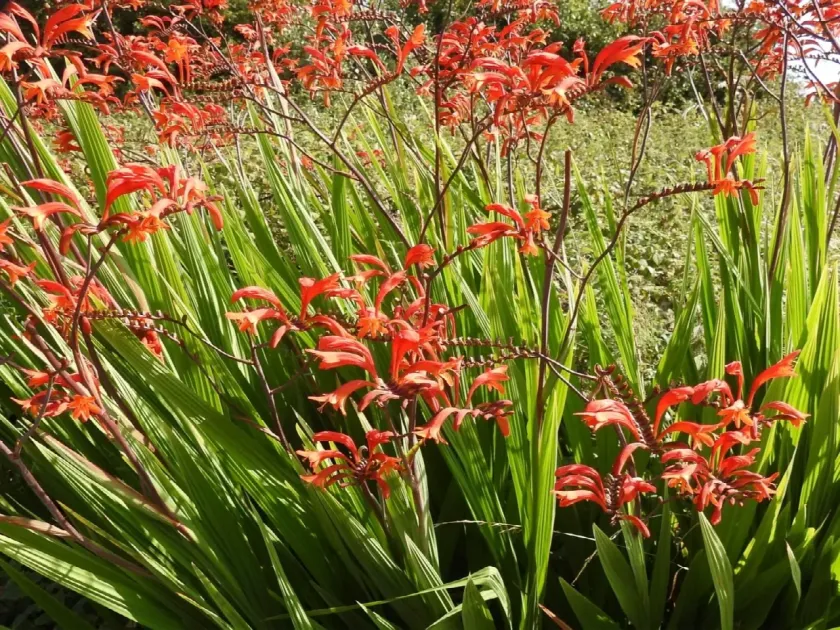
Description
Sowing dates
Crocosmia paniculata is a perennial plant from the Iridaceae family, commonly propagated through the division of corms. Planting should take place in spring, once the soil has warmed to at least 10 degrees Celsius, ensuring favorable conditions for root establishment before the summer heat.
When planting corms, they should be placed at a depth of 6 to 10 centimeters. Proper spacing of approximately 15 centimeters between plants is essential to maintain airflow and prevent the development of moisture-related diseases within the cluster.
Seed propagation is an alternative, though it takes longer for the plants to reach maturity. Seeds should be sown in a greenhouse or controlled environment during late winter to ensure they are ready for transplanting once the risk of frost has passed.
After the growing season, in late autumn, corms must be carefully lifted from the ground, especially in regions with cold winters. After cleaning, they should be dried and stored in a cool, ventilated area at temperatures around 5-8 degrees Celsius to remain dormant until the next season.
Strategic planting density is key to yield management in decorative farming. Ensuring uniform depth allows for synchronized emergence, which simplifies maintenance tasks and harvesting processes for commercial growers.
Growing requirements
The plant thrives in well-drained, fertile, and slightly acidic or neutral soils. It is highly sensitive to waterlogging, which often leads to root rot; therefore, selecting an elevated site with adequate drainage is crucial for successful cultivation.
Crocosmia paniculata requires a full sun to light shade location. While it can tolerate partial shade, maximum flowering intensity is achieved with at least 6-8 hours of direct sunlight per day, which also helps keep the foliage dry and disease-free.
Consistent moisture is required throughout the growing season, particularly during the flowering phase. However, care must be taken not to overwater, as excessive soil moisture is detrimental to the bulb's health and can lead to fungal infections.
Regular fertilization with balanced nutrients, particularly during the early growth phase, supports healthy leaf development. A potassium-rich fertilizer applied as the buds begin to form will significantly enhance the size and color intensity of the flowers.
Soil aeration is essential for optimal growth. Frequent weeding and shallow hoeing help keep the soil surface loose, preventing the formation of a hard crust that can hinder water penetration and root respiration.
Main diseases and pests
Fungal diseases, such as Fusarium wilt and gray mold, are the primary threats to this species, usually triggered by poor drainage or overly wet soil conditions. These pathogens can destroy entire bulb populations if not managed through timely detection.
Spider mites and thrips are the most frequent insect pests. They feed on plant sap, leading to yellowing of the leaves and significant damage to the floral structure, which reduces the overall commercial value of the crop.
Wireworms and other soil-dwelling larvae can cause severe damage by feeding on the corms. Implementing crop rotation and using authorized soil insecticides can help minimize the impact of these pests in commercial plantings.
Prevention through hygiene is the most effective management strategy. Removing crop residues, selecting disease-free bulbs for planting, and maintaining proper spacing help to limit the spread of infections throughout the field.
If chemical intervention is necessary, growers should use targeted pesticides and follow integrated pest management protocols to protect the plants while minimizing environmental impact and preventing the buildup of pest resistance.