
Montbretia
Crocosmia x crocosmiiflora (Lemoine) N. E. Br.
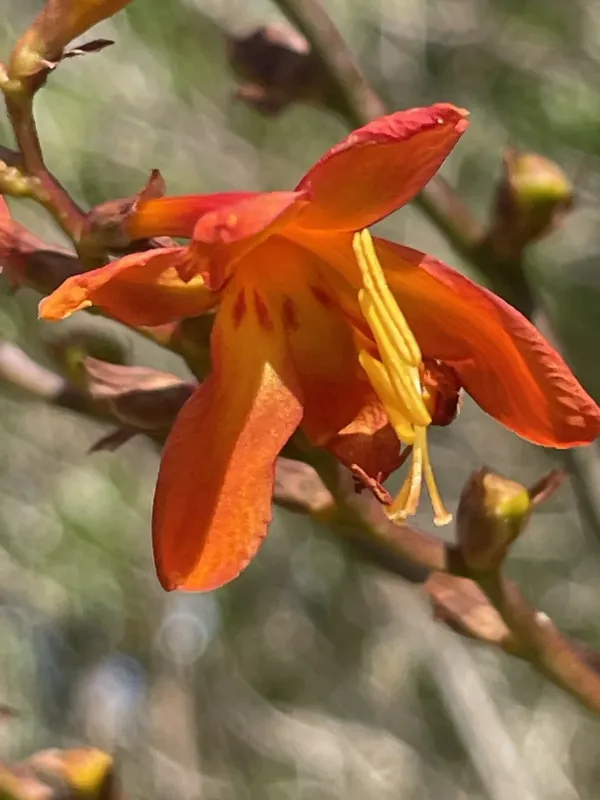
Description
Sowing dates
Planting of Montbretia (Crocosmia x crocosmiiflora) corms into the soil is typically performed in spring once the ground has warmed up, usually from late April to mid-May.
The corms should be planted at a depth of 6 to 10 centimeters, ensuring a spacing of 10 to 15 centimeters between each plant to allow adequate room for clump expansion.
In cooler climates, gardeners often start corms in indoor containers several weeks before the last frost date to ensure earlier and more robust blooming during the summer.
Since this plant is a hybrid, propagation through seeds is unreliable as it often results in the loss of distinct horticultural traits; therefore, division of corm clumps is the preferred method.
The best time to divide overgrown clumps is during the early spring before the foliage begins to emerge, ensuring the plants establish themselves effectively before the heat of summer.
Growing requirements
Montbretia is a popular member of the Iridaceae family, originating from a cross-breeding program that combined South African species to create a hardy garden ornamental.
This crop thrives in sunny, open locations, requiring at least six hours of direct sunlight per day to promote flower formation and prevent the stems from becoming leggy or weak.
Soil must be fertile, well-draining, and rich in organic matter, as these plants are highly susceptible to rot if they sit in waterlogged soil during the dormant season.
While Montbretia prefers a slightly acidic to neutral pH, the most critical factor for successful growth remains the maintenance of soil structure and drainage.
Regular fertilization with high-potassium liquid feed during the active growth phase is recommended to support the development of vibrant, long-lasting floral spikes.
Main diseases and pests
Common fungal diseases, particularly Fusarium wilt and various rot pathogens, represent a significant threat to the crop, especially when soil moisture levels are poorly managed.
Pests such as thrips and spider mites frequently attack the foliage, particularly in hot and dry weather conditions, causing discoloration and significant physiological stress to the plant.
Subterranean pests like wireworms or mole crickets can cause damage to the corms underground, leading to weakened growth or the total collapse of the plant in the affected area.
Viral infections, manifested through mottling or streaking on leaves, can lead to stunted growth and reduced flower quality, necessitating the removal and destruction of infected individuals.
Cultural hygiene, including the removal of dead plant material at the end of the season and avoiding overcrowding, is essential to mitigate the spread of these pathogens.
Harvesting
In colder regions, corms must be harvested in late autumn after the first frost has turned the foliage brown, ensuring they are stored in a cool, frost-free environment over winter.
After lifting, corms should be air-dried and stored in peat moss or dry sand at temperatures ranging between 5 and 7 degrees Celsius to prevent dehydration or premature sprouting.
The main horticultural use of this species is in garden landscaping, where it is valued for its fiery orange or red blooms that add late-summer interest to mixed borders.
Montbretia is also highly prized as a cut flower, as its sturdy stems and sequential blooming habit allow for long-lasting displays in floral arrangements.
Proper harvest and storage techniques are crucial for professional growers to ensure the health and high quality of the planting stock for the following growing season.