
Crinodendron
Crinodendron
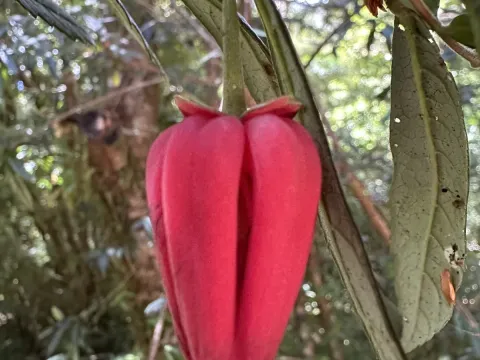
Crinodendron is a genus of evergreen shrubs and trees belonging to the Elaeocarpaceae family. It is widely recognized for its striking, lantern-shaped flowers that hang gracefully, providing significant aesthetic value to gardens and landscapes.
What the section contains

Crinodendron
The genus originates from the temperate rainforests of South America, specifically Chile and Argentina. These environments are characterized by high humidity, moderate temperatures, and significant rainfall, which dictates the plant's specific growth requirements.
To successfully cultivate Crinodendron, it is essential to provide acidic, moisture-retentive, and well-drained soil. The plant thrives in humus-rich substrates that mimic the floor of its native temperate forests, avoiding waterlogged conditions at all costs.
The species prefers dappled shade or partial sun, as direct intense sunlight can scorch the foliage. Protection from strong, drying winds is also a crucial requirement to maintain the integrity of the branches and the longevity of the blooms.
Agriculturally and horticulturally, Crinodendron is used primarily as an ornamental specimen in landscaping. Its hardiness varies, but it generally requires sheltered positions in temperate zones to survive colder winters without sustaining damage.
The most significant threat to Crinodendron is root rot, which typically develops in poorly drained soils. Overwatering, especially during cooler dormant periods, often causes rapid decline and the eventual death of the plant.
Pests such as scale insects can become problematic by clustering on stems and foliage. These insects weaken the plant by extracting vital sap, necessitating manual removal or the application of horticultural oils during early stages of infestation.
In greenhouse or indoor environments, spider mites pose a constant threat, particularly when humidity levels drop too low. Frequent misting and the maintenance of an appropriate microclimate are effective ways to prevent major mite outbreaks.
Fungal leaf spot diseases can occur if the foliage remains wet for extended periods in stagnant air. Ensuring proper spacing and good air circulation around the plants is essential for reducing the risk of fungal proliferation.
Monitoring the plant for signs of nutrient deficiency, such as chlorosis, is vital. Using fertilizers formulated for acid-loving plants helps maintain proper foliage color and supports the development of the characteristic hanging flowers.