
Crinodendron patagua
Crinodendron patagua
Description
Growing requirements
Crinodendron patagua, a member of the Elaeocarpaceae family, is an evergreen tree or large shrub native to the central regions of Chile. In its natural habitat, it thrives in moist, temperate valleys and along riverbanks.
The plant requires deep, fertile, and moisture-retentive soil with excellent drainage. It prefers slightly acidic to neutral substrates rich in organic matter, making it highly sensitive to prolonged drought periods.
Crinodendron performs best in semi-shaded locations, particularly in areas with intense summers, as direct sunlight can scorch its foliage. However, with consistent moisture, it can adapt to sunnier positions, which often results in more prolific flowering.
The species exhibits moderate frost tolerance, surviving temperatures as low as -7°C to -10°C. In colder climates, it is typically cultivated as a container plant, kept in greenhouses or conservatories during the winter months.
General maintenance includes consistent watering during the growing season and the application of balanced fertilizers in early spring to encourage dense foliage growth and flower bud development.
Main diseases and pests
Crinodendron patagua is relatively resilient, yet it may be susceptible to common pests such as scale insects or spider mites, especially when grown under glass or in poor ventilation conditions.
Over-irrigation or soil that lacks adequate drainage creates an anaerobic environment, which is highly conducive to root rot pathogens, often leading to the gradual decline and death of the specimen.
In humid, cool climates, the foliage may be prone to powdery mildew infections. These are managed through improved air circulation and, if necessary, the application of appropriate systemic fungicides.
Structural damage due to strong winds is a significant threat, as the young branches of the tree are relatively brittle. Providing adequate staking or wind protection is recommended during the plant's establishment phase.
Disease prevention is centered on proper water management, ensuring soil aeration, and conducting regular phytosanitary inspections to detect and treat pest or fungal issues at the earliest possible stage.
Harvesting
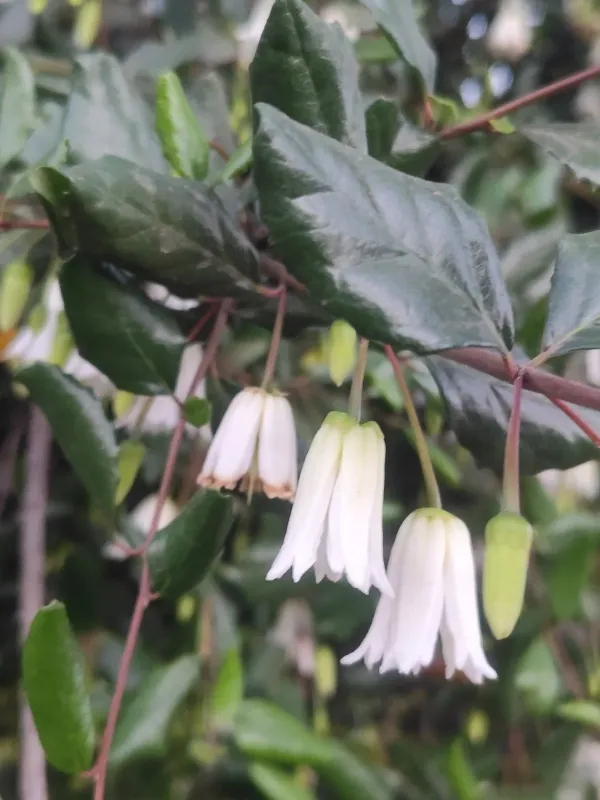
Crinodendron patagua is primarily utilized in landscape gardening and ornamental horticulture. Its unique, bell-shaped white flowers make it a prized specimen for parks, private gardens, and hedges in suitable climatic zones.
Flowering usually occurs during the summer, followed by the development of seed capsules. Seeds are viable and can be collected for propagation, provided they are sown immediately after harvest in a controlled environment.
While the wood of the Patagua tree has historical use in Chile for small craft items and tools, its modern agricultural importance is strictly ornamental, contributing significantly to biodiversity in managed landscapes.
Maintenance pruning is essential to maintain the structural integrity and aesthetic appeal of the crown. It is recommended to perform this task immediately after the flowering period to ensure the tree remains shapely.
Propagation is achieved through seeds or semi-hardwood cuttings. Cuttings require high humidity levels and the use of rooting hormones to ensure successful development and survival of the young specimens.