

Description
Growing requirements
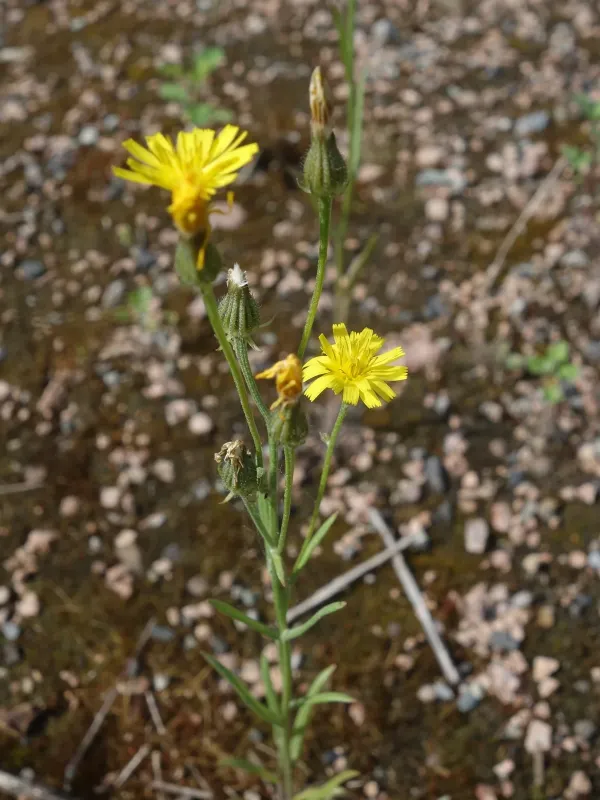
Crepis tectorum L., commonly known as the narrowleaf hawksbeard, is an annual plant belonging to the Asteraceae family. It is widely recognized for its adaptability and success in colonizing various types of habitats, ranging from cultivated fields to meadows.
The plant originates from the temperate regions of Eurasia and has successfully naturalized in many parts of the world. It is characterized by its slender, erect stems and yellow flowers that typically bloom from early summer to autumn.
Regarding environmental requirements, the hawksbeard thrives in well-drained soils and prefers open, sunny locations. While it is not strictly demanding, it performs best in soils with moderate nutrient availability and moisture levels.
From an agricultural standpoint, it is often viewed as a weed due to its aggressive growth pattern. However, the plant is known for its role in ecosystem dynamics, providing nectar for various beneficial insects during its flowering period.
Its botanical structure includes a basal rosette of leaves that develops early in the season, allowing the plant to survive adverse conditions before producing its reproductive stems, which can reach significant heights under favorable conditions.
Main diseases and pests
Common pests that infest Crepis tectorum include aphids and certain species of mites, which can cause leaf deformation and stunt the growth of the plant in competitive environments.
Fungal pathogens such as rusts and powdery mildew are frequently found on the leaves, especially in humid conditions with poor air circulation, which can limit the plant's ability to produce viable seeds.
Effective management strategies focus on mechanical removal through cultivation before the seeds mature. Tillage practices that disrupt the root system are highly effective at controlling young seedlings.
Chemical control remains a standard practice in agricultural fields. Selective herbicides targeting broadleaf weeds are typically applied when the plant is in the early rosette stage to maximize control efficacy.
Integrated weed management programs, combining crop rotation and competitive sowing of dense crop stands, remain the most sustainable way to reduce the impact of hawksbeard in farming operations.
Content graph
Connections · Hawksbeard
Most often together:
Marketplace