
Red hawksbeard
Crepis rubra L.
Description
Sowing dates
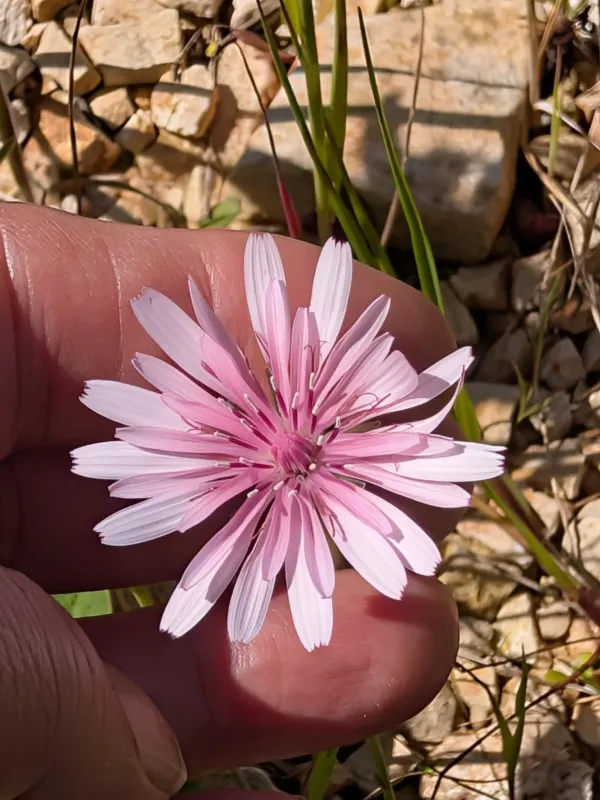
Crepis rubra, commonly known as red hawksbeard, is an annual flowering plant belonging to the Asteraceae family. It is typically grown from seeds sown directly into the garden soil.
The ideal time for sowing is during the spring when the soil has warmed up, usually from late April to early May, ensuring stable germination conditions.
Seeds should be sown in rows spaced 20–25 cm apart. Given the small size of the seeds, they should be covered with only a thin layer of soil, about 1 cm deep.
For regions with mild winters, autumn sowing is an option, allowing the seeds to undergo natural stratification, which often results in earlier spring growth.
Thinning is a crucial step after seedling emergence. Maintaining a distance of 15–20 cm between plants ensures they have sufficient space to develop and flower profusely.
Growing requirements
This plant thrives in full sun. While it can tolerate partial shade, maximum sunlight is essential for vibrant flower color and sturdy stem development.
Red hawksbeard is adaptable to various soil types but performs best in light, well-draining soils such as sandy loams, preventing any stagnant water.
It demonstrates moderate drought tolerance once established. However, consistent moisture during the early growth stages is beneficial for healthy development.
The ideal soil pH is neutral or slightly alkaline. In acidic conditions, adding lime can help optimize nutrient availability for the plant.
Over-fertilization should be avoided, especially with nitrogen, as it promotes excessive vegetative growth at the expense of floral display.
Yield
The primary use of Crepis rubra is in ornamental gardening. It is highly valued for its striking, daisy-like red or pink flowers that add color to borders.
The plant has a prolonged flowering period from early summer through late summer, making it an excellent choice for continuous garden displays.
As a nectar-rich species, it plays a role in attracting pollinators such as bees and butterflies, which benefits the overall biodiversity of the garden.
Seed production is consistent, although harvesting requires careful timing as the seeds have feathery pappi and are easily dispersed by the wind when ripe.
In terms of agricultural interest, it is primarily managed for seed production in specialized flower farms rather than for large-scale fodder or commodity usage.
Main diseases and pests
The most common health issues for Crepis rubra include fungal diseases such as powdery mildew, especially in environments with high humidity and poor air circulation.
Root rot can become a significant problem if the soil remains waterlogged. Ensuring proper drainage is the most effective preventative measure against this threat.
Aphids are the primary insect pests, often colonizing the succulent flower buds and young shoots, which can stunt growth if left untreated.
Occasional infestations of leaf-eating caterpillars may occur, which can be managed through regular monitoring and manual removal or organic treatments.
- Practicing crop rotation reduces the risk of soil-borne pathogens.
- Proper plant spacing prevents the spread of fungal diseases.
- Consistent weeding eliminates host sites for potential pests.
Harvesting
For ornamental purposes, flowers should be harvested early in the morning when turgor pressure is high, ensuring they last longer in floral arrangements.
Seed harvesting should be done as soon as the flower heads turn brown but before the seeds are fully released to the wind, typically in dry weather.
Once collected, the seeds should be dried in a well-ventilated, shaded area to prevent mold and ensure they reach the appropriate storage moisture content.
Storage should be in paper bags in a cool, dry place to maintain high viability, allowing the seeds to be used for the next growing season.
After the seeds have been collected, any remaining biomass can be incorporated back into the soil as organic matter if it is free from disease.