
Smooth hawksbeard
Crepis biennis L.
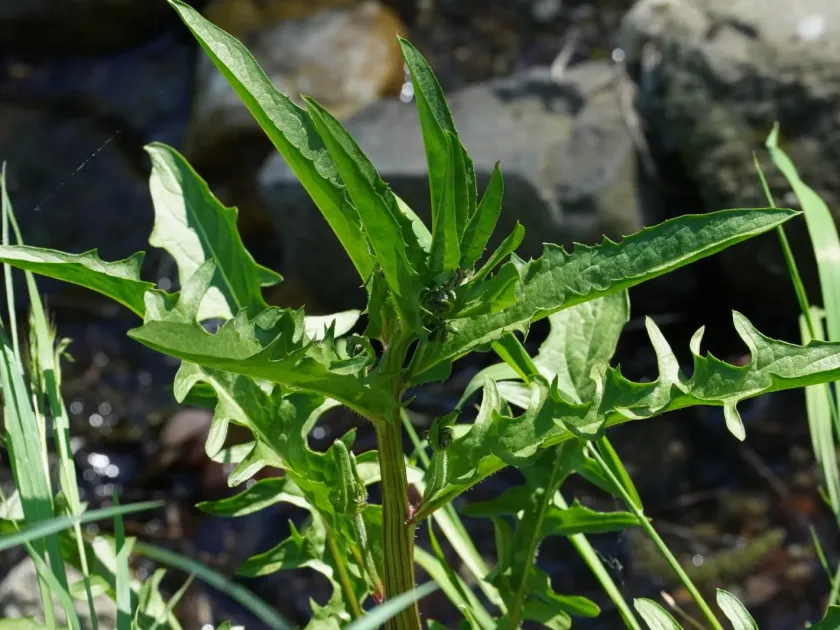
Description
Sowing dates
Smooth hawksbeard (Crepis biennis L.) is a member of the Asteraceae family. It is recognized as a valuable plant in grassland ecosystems and is increasingly used in agricultural forage production due to its high nutritional value.
Sowing should take place in early spring once the soil temperature is suitable for germination. The field must be properly prepared, ensuring a fine tilth that allows for uniform seed distribution and depth control.
The optimal planting depth for the seeds is 0.5 to 1.5 centimeters. If buried too deeply, the seedlings will struggle to emerge, while sowing too shallowly leaves seeds vulnerable to moisture loss.
A typical seeding rate ranges from 4 to 6 kilograms per hectare for pure stands. When mixing with other grasses, the seed rate is adjusted downwards to prevent overcrowding and ensure balanced biodiversity within the stand.
Post-sowing rolling is recommended to ensure good seed-to-soil contact. This practice is crucial for achieving uniform emergence, especially in drier spring conditions where water absorption is limited.
Growing requirements
This crop exhibits strong ecological plasticity, allowing it to adapt to various environmental conditions. It is relatively frost-hardy and can withstand diverse climatic conditions typical of temperate zones.
Smooth hawksbeard thrives best in fertile, well-drained soils. Loamy or silty soil types with a neutral pH provide the best nutritional environment for robust root and leaf development.
Sufficient moisture is essential during the active growing season. While it grows well in meadows, it does not tolerate waterlogging and may decline rapidly in overly saturated or heavy clay soils.
Sunlight is a major limiting factor for this plant. As a light-demanding species, it requires open areas and will show significant yield reductions if grown under heavy shade or in over-dense foliage.
Strategic fertilization, particularly with nitrogen and phosphorus, significantly boosts biomass production. Early spring applications help stimulate rapid regrowth, making the plants more resilient to cutting or grazing.
Yield
The biomass yield of smooth hawksbeard is generally high under favorable conditions. With proper management, the crop can provide several cuts per season, providing a steady source of quality fodder.
Yields of hay can reach 3 to 5 tons per hectare depending on site fertility and stand density. Timely harvesting is critical to maintaining the balance between volume and forage quality.
The foliage is rich in proteins and vitamins, making it an excellent component for ruminant animal feed. Its palatability ensures high consumption rates, which supports better health and performance in livestock.
The plant demonstrates excellent regrowth capabilities after being harvested. This makes it suitable for both hay production and managed rotational grazing systems.
For sustainable yield management, alternating between haying and light grazing cycles helps maintain soil nutrient balance and supports the long-term vigor of the hawksbeard population.
Main diseases and pests
Smooth hawksbeard can be susceptible to various pests, including aphids that target succulent leaves. Monitoring populations early in the season is vital to prevent major infestations.
Fungal diseases, such as powdery mildew and various rusts, are common in humid conditions or when the stand is too dense. These pathogens can affect both the visual quality and the nutritional value of the foliage.
Cultural control remains the primary strategy for pest and disease mitigation. Proper timing of cuts often disrupts the life cycles of these pests, reducing the need for chemical interventions.
Weed competition during the seedling stage is a significant threat. Ensuring a well-prepared seedbed and controlling initial weeds are essential steps for the successful establishment of the hawksbeard crop.
Integrated pest management (IPM) practices, such as choosing resistant varieties where available and maintaining optimal stand density, help to minimize the incidence of common agricultural threats.
Harvesting
The ideal harvesting time is at the onset of flowering. At this stage, the plant reaches the peak balance between biomass volume and nutritional content, specifically protein levels.
When harvesting for hay, it is essential to follow efficient drying techniques. Prolonged exposure to extreme sun can cause nutrient degradation, particularly vitamins and pigments, making careful moisture management necessary.
Harvesting for seed production should occur when the heads turn brown and begin to open. Seeds require careful threshing to maintain high germination viability for the next season's sowing.
Modern machinery, such as mower-conditioners, helps speed up the wilting process and ensures even drying of the cut material. This is particularly beneficial in regions with unpredictable weather patterns.
Post-harvest soil maintenance is recommended, including light cultivation to incorporate organic residues and stimulate new shoot development for the subsequent season.