
Cratoxylum maingayi
Cratoxylum maingayi
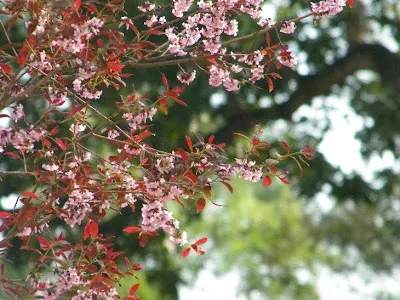
Description
Growing requirements
Cratoxylum maingayi is a member of the Hypericaceae family, manifesting as a large tropical tree. In its natural habitat, it thrives in dense forests and wetland areas, preferring environments with consistently high atmospheric humidity.
The natural distribution area covers countries in Southeast Asia, including Malaysia, Indonesia, and Thailand. The plant develops best in tropical climate conditions characterized by the absence of extreme seasonal temperature shifts and year-round abundant rainfall.
Soil preferences include well-drained, acidic soils typical of tropical forests. While it is a forest species, when cultivated on plantations, it is crucial to provide protection against strong winds during the early stages of seedling development.
The biological features of the species include slow growth and the formation of dense, high-quality wood. The plant possesses a powerful root system that allows it to anchor itself in shifting substrates and extract nutrients from poor forest soils.
For successful cultivation, maintaining canopy density is necessary to ensure an optimal microclimate under the forest cover. Regular monitoring of seedling health and weed control during the first years of the tree's life are critical for developing a straight trunk.
Yield
The commercial use of Cratoxylum maingayi focuses primarily on harvesting its valuable wood, which is known for its distinct physical and mechanical properties. It finds applications in the production of building materials, interior elements, and the furniture industry.
The timber of this species is valued for its resistance to external factors, making it highly sought after for outdoor construction projects. Due to its high density, the material is easy to machine while maintaining structural integrity during its service life.
In addition to timber, some parts of the plant may find traditional medical applications, which expands the spectrum of the species' utility. However, the primary economic significance remains in logging activities conducted according to sustainable forest management principles.
The maturation process of the tree until it is suitable for industrial harvesting is lengthy, which determines the specifics of agroforestry planning. Long-term investments in cultivating this crop require strict adherence to technological production cycles.
The quality of the final product depends directly on growth conditions and proper maintenance of forest stands throughout the entire maturation cycle. Selective breeding of the most productive forms of the plant allows for improved timber yield per hectare.
Main diseases and pests
Typical threats for Cratoxylum maingayi are associated with fungal infections in conditions of excessive humidity. Waterlogging in the root zone can trigger root rot and weaken the general condition of mature trees.
Pests, such as wood borers and various leaf-eating insects, can pose a serious danger to young plantations. Their activity can slow down the growth rates of the culture and decrease the quality of marketable timber in the long term.
To combat diseases, it is recommended to conduct sanitary logging aimed at removing affected areas and preventing the spread of fungal spores. Maintaining a balanced ecosystem helps naturally regulate pest populations.
The anthropogenic factor also represents a threat, related to illegal logging and habitat modification in the wild. Protecting forest areas and responsible forestry management are essential for preserving the biodiversity of Cratoxylum.
Preventive measures include regular health monitoring of the stands, the use of adapted planting material, and compliance with optimal stand density to prevent mass epiphytotics.