
Cratoxylum arborescens
Cratoxylum arborescens
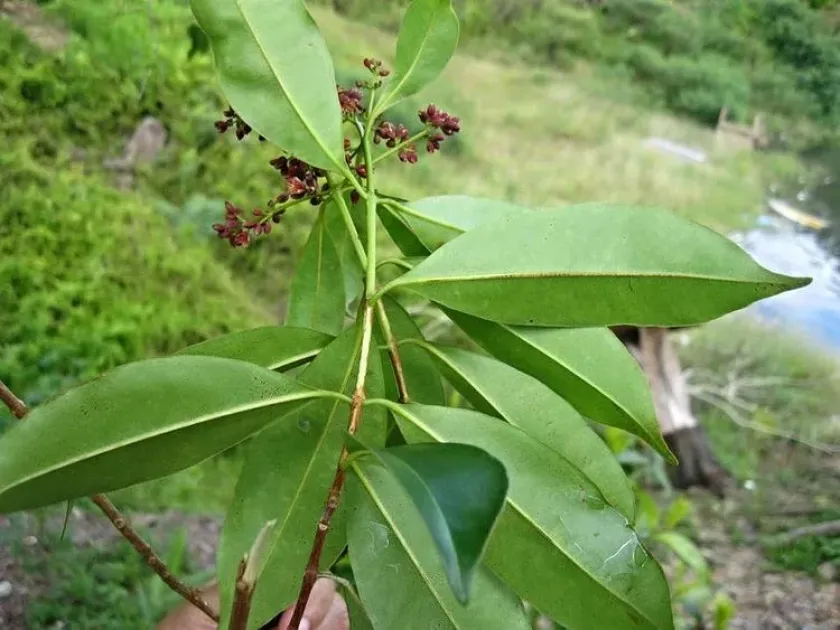
Description
Growing requirements
Cratoxylum arborescens is a prominent member of the Hypericaceae family, native to the tropical forests of Southeast Asia. This evergreen tree is highly valued for its straight trunk and robust wood, often reaching significant heights in its natural forest habitat.
The plant thrives in well-drained, acidic, and nutrient-rich soils. It prefers areas with high humidity, typical of tropical lowland forests, and requires consistent moisture levels without prolonged waterlogging, which can be detrimental to its root health.
Ideal growth temperatures for this species fall within the range of 22°C to 32°C. The tree shows moderate tolerance to different light levels but performs best in full sunlight once it has matured, provided that environmental moisture is sufficient.
In terms of agricultural management, weed control in the early growth stages is crucial to ensure the saplings are not smothered. Proper spacing is essential for promoting vertical growth and preventing the spread of canopy diseases.
The fertilization strategy should focus on balanced organic applications that support root development. Consistent monitoring of soil pH is recommended to maintain the optimal nutrient uptake capacity of the root system.
Harvesting
The primary economic value of Cratoxylum arborescens lies in its high-quality timber. The wood is dense, durable, and resistant to environmental degradation, making it ideal for construction, cabinetry, and flooring materials.
Harvesting is typically conducted through sustainable timber management practices, involving the selective extraction of trees that have reached their economic maturity. This ensures that the forest structure is preserved for future yield.
Secondary products include traditional medicinal extracts derived from the bark and leaves. These components are harvested with care, following strictly regulated harvesting intervals to prevent overexploitation of the trees.
Processing involves immediate post-harvest drying to stabilize the wood and prevent warping. Given the high demand for quality timber, efficient logistics for transport and storage play a key role in the economic viability of the crop.
Sustainability efforts include the replanting of harvested areas using nursery-raised seedlings, which helps maintain the ecological balance and ensures a continuous cycle of timber supply for the industry.