
Cratoxylum formosum
Cratoxylum formosum
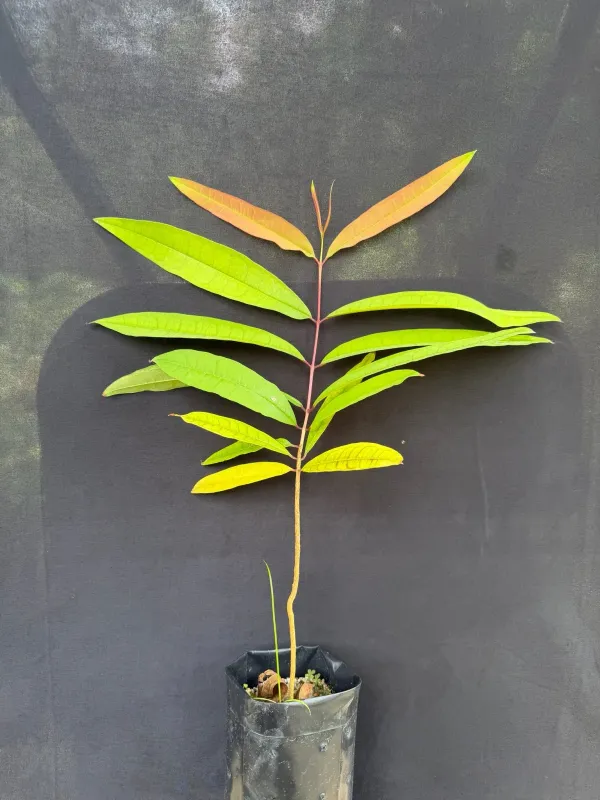
Description
Growing requirements
Cratoxylum formosum is a prominent member of the Hypericaceae family, native to the tropical forests of Southeast Asia. This species is highly valued in its natural range for its rapid growth rate and ecological resilience in secondary forest environments.
The tree thrives in climates characterized by high rainfall and warm temperatures throughout the year. It exhibits optimal growth on well-drained, nutrient-rich soils, making it an excellent candidate for reforestation projects and sustainable forest plantations.
Light requirements for this species are significant; while saplings can tolerate partial shade, mature trees perform best under full sunlight. Consistent moisture levels are essential during the early establishment phase to ensure deep root development.
Botanically, Cratoxylum formosum features a smooth, peeling bark and aesthetically pleasing flowers that bloom periodically. The plant is versatile, often utilized in traditional medicine and construction due to the durability and quality of its heartwood.
In modern agricultural contexts, this species is increasingly cultivated as a secondary crop in agroforestry systems. Its ability to improve soil structure and prevent runoff makes it a vital component for restoring degraded tropical lands.
Main diseases and pests
The most common disease threat is root rot, particularly in low-lying areas where waterlogging occurs. Improving soil drainage is the most effective preventative measure for long-term health.
Wood-boring insects represent a significant pest concern, capable of damaging the structural integrity of the timber. Integrated pest management, including regular tree inspections, is recommended.
Leaf-spot pathogens can emerge during periods of prolonged humidity and poor airflow. Managing plant density through proper pruning and spacing significantly reduces these risks.
Weed infestation during the first two years is a major challenge for young plantations. Manual clearing and mulching are standard procedures to ensure the young trees receive sufficient nutrients.
Environmental stress, such as extreme, uncharacteristic dry spells, can increase susceptibility to secondary diseases. Maintaining adequate hydration during climate fluctuations is crucial for young specimens.